

























































































Exposing the Dangerous Media Silence on Environmental Destruction - Ranjodh Singh & Harminder Dhillon
Host:-
 Harminder Dhillon
 Ranjodh Singh
Exposing the dangerous media blackout on regional climate crises. Explore the raw data from Radio Haanji on Punjab's worst drought in 146 years and global grid failures.
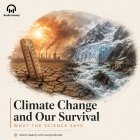
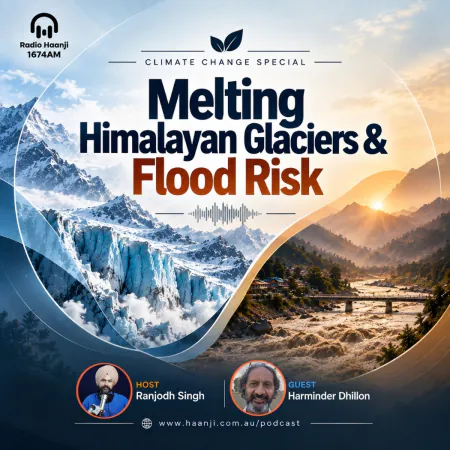
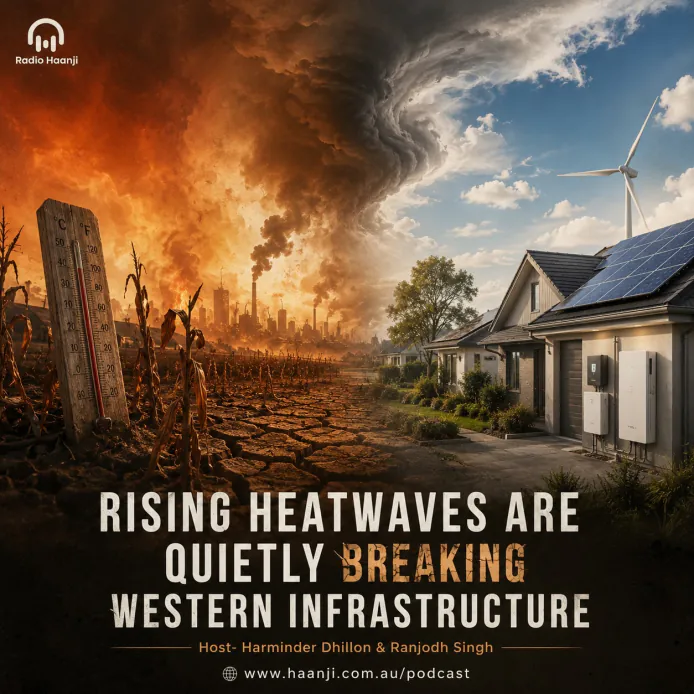
Why is the mainstream media silent when our regional agricultural systems are on the verge of collapse? In this hard-hitting episode of the Climate Change Special on Radio Haanji 1674 AM, host Ranjodh Singh and environmental expert Harminder Dhillon expose the dangerous blindspot in modern news networks that choose to cover distant global weather events while ignoring severe ecological emergencies right at home. Broadcasting from Toronto, Canada, Harminder unpacks the data behind a warming planet, detailing infrastructure grid failures from nuclear power plant shutdowns in France and Switzerland to buckled rail lines across Germany, England, and Canada.
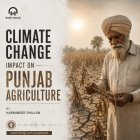
The conversation shifts to the devastating realities on the ground in Punjab, which has just recorded its lowest June rainfall in 146 years. With the monsoon running 45% below historical averages, young rice seedlings are parching in dry soil, groundwater reserves are failing, and alternative crops like mung beans and potatoes have been completely wiped out. Ranjodh and Harminder call out corporate media inaction, international policy rollbacks, and shifting green energy frameworks that hinder real progress. Yet, the episode highlights real paths to survival, including Australia's massive residential solar battery revolution, China's aggressive shift toward electric freight fleets, and the progressive Punjabi farmers adapting on their own by switching to drought-resistant crops like peanuts and chickpeas.
Frequently Asked Questions
Why did the podcast address media silence regarding climate change?
What caused the nuclear power plant shutdowns mentioned in the podcast?
How bad is the current drought situation affecting agriculture in Punjab?
What steps is Australia taking toward renewable energy adaptation?
How are progressive farmers in Punjab adapting to the lack of water?
What infrastructure failures occurred in North America due to extreme heat?
What's Your Reaction?