


























































































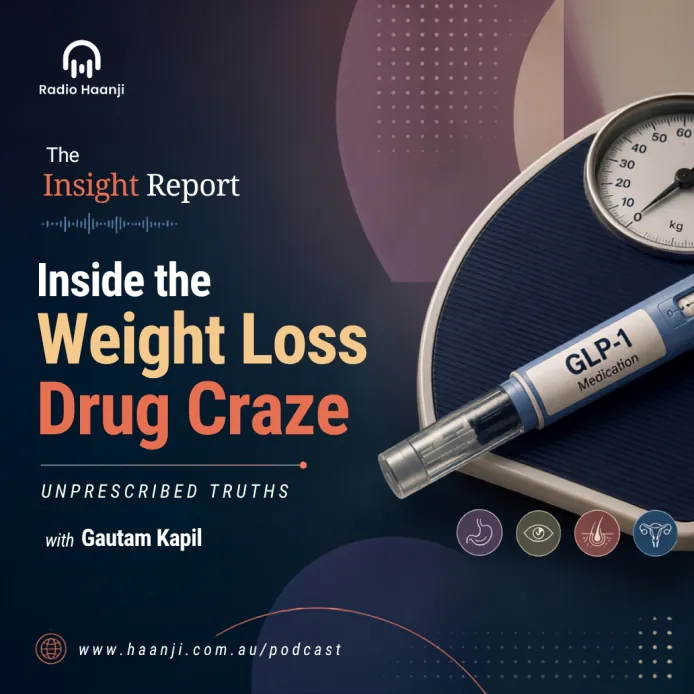
Unprescribed Truths: Inside the Weight Loss Drug Craze - The Insight Report
Host:-
 Gautam Kapil
Explore the reality behind Ozempic, Mounjaro, and GLP-1 weight loss drugs. Gautam Kapil analyzes side effects, off-label use, and pharma industry dynamics on The Insight Report.
The global obsession with quick-fix weight loss has found its modern holy grail in GLP-1 receptor agonists. Marketed under brand names like Ozempic, Wegovy, Mounjaro, and Zepbound, these injectable medications have transformed from specialized clinical treatments into pop-culture phenomena.
In a recent deep-dive episode of The Insight Report, host Gautam Kapil unpacked the multi-billion-dollar machinery driving this trend, revealing the health risks, aggressive marketing strategies, and systemic lifestyle traps behind the global weight-loss craze.
What Are GLP-1 Medications and How Do They Work?
Glucagon-Like Peptide-1 (GLP-1) is a hormone naturally produced by the human gut in response to eating. Its primary physiological tasks include stimulating insulin secretion, regulating blood sugar levels, and signaling fullness to the brain.
Synthetic GLP-1 medications—such as semaglutide and tirzepatide—mimic this natural hormone but linger in the system far longer. They operate through two primary mechanisms:
-
Delayed Gastric Emptying: Food stays in the stomach for extended periods, artificially extending the sensation of fullness.
-
Appetite Suppression: Neural signals to the brain blunt hunger cues and food cravings, dramatically reducing caloric intake.
While drugs like Wegovy and Zepbound are specifically licensed for chronic weight management under designated body mass index (BMI) thresholds, medications like Ozempic and Mounjaro were originally developed and approved strictly for managing Type 2 diabetes.
The Hidden Health Costs and Documented Side Effects
As millions turn to self-administered weekly injections, medical data and patient reports highlight a range of documented side effects, spanning from common discomforts to severe medical conditions:
-
Gastrointestinal Distress and Stomach Paralysis: Severe nausea, vomiting, chronic diarrhea, and constipation are widespread. Prolonged suppression of gut motility can lead to gastroparesis (stomach paralysis), triggering legal scrutiny and lawsuits against pharmaceutical manufacturers.
-
Ocular and Vision Complications: Studies and clinical reports indicate potential risks of accelerated eye conditions, optic nerve issues, and blurred vision among long-term users.
-
Aesthetic and Metabolic Repercussions: Rapid crash-dieting induced by synthetic appetite suppression often leads to structural facial volume loss (popularly termed "Ozempic face") and significant hair thinning or loss.
-
Fertility and Pregnancy Concerns: Healthcare regulatory bodies, including agencies in the UK, have highlighted potential complications regarding reproductive health, advising caution for individuals attempting conception or managing pregnancy while using GLP-1 compounds.
The Modern Lifestyle Loop: From Fast Food to Pharma
The meteoric rise of weight-loss injections is deeply intertwined with modern ultra-processed food environments. In urban centers across North America, Europe, and Australia, high-calorie fast food is cheap, pervasive, and heavily marketed.
When sedentary lifestyles and poor nutritional access lead to weight gain and borderline metabolic dysfunction, patients frequently enter a medicalized loop:
-
Environmental exposure drives obesity and insulin resistance.
-
Clinical consultations result in off-label GLP-1 prescriptions rather than sustainable lifestyle or nutritional rehabilitation.
-
Patients experience rapid weight loss but struggle with dependency, as stopping the drug typically triggers rapid weight rebound.
Celebrity Endorsements and the Social Media Engine
The transition of diabetes medication into a lifestyle commodity was accelerated by digital culture. Viral trends across TikTok, Instagram, and X (formerly Twitter) under hashtags like #Ozempic and #Mounjaro created widespread consumer demand.
High-profile endorsements, candid public disclosures, and physical transformations of public figures—including Oprah Winfrey, Elon Musk, Serena Williams, and Rebel Wilson—further normalized the use of these injections as cosmetic shortcuts. This social momentum contributed to global drug shortages, occasionally restricting supply for Type 2 diabetes patients who rely on the medication for blood sugar control.
The Trillion-Dollar Pharmaceutical Landscape
Behind the prescription pad lies unprecedented corporate growth. Pharmaceutical giants behind these blockbuster drugs have seen valuations skyrocket:
-
Novo Nordisk: The Danish manufacturer of Ozempic and Wegovy achieved a market capitalization exceeding Denmark's entire national gross domestic product (GDP).
-
Eli Lilly: The American titan behind Mounjaro and Zepbound surpassed the $1 trillion market valuation mark, driven largely by demand for metabolic and weight-management therapies.
Global venture capital and tech investments continue to flow into automated prescription platforms, telehealth distribution networks, and digital healthcare applications, ensuring that GLP-1 drugs remain at the center of the modern medical-industrial complex.
The Bottom Line
While GLP-1 receptor agonists offer undeniable clinical utility for individuals managing severe metabolic illness and Type 2 diabetes, their unchecked adoption as casual, cosmetic weight-loss tools warrants serious scrutiny. Understanding the physiological trade-offs, regulatory loopholes, and commercial incentives is vital before choosing an injectable solution over holistic metabolic health.
Frequently Asked Questions
What is the difference between Ozempic and Wegovy?
What are the most common side effects of GLP-1 weight loss drugs?
Why are diabetes medications being prescribed for weight loss?
What happens when you stop taking GLP-1 injections?
What's Your Reaction?