



























04 - Sept - Indian Updates - Political Shifts, Legal Precedents - Pritam Singh Rupal
Host:-
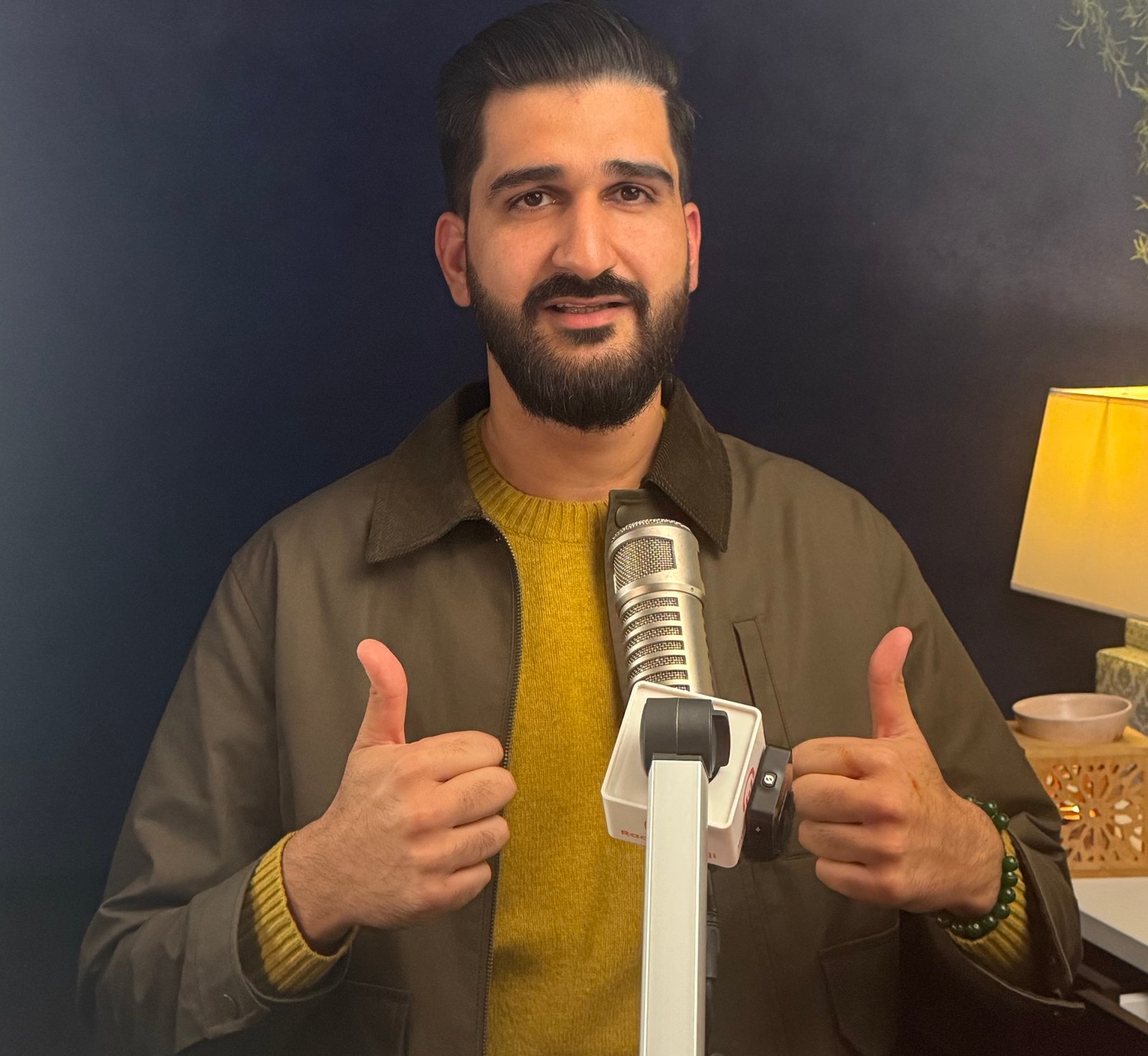 Krishna Bhardwaj
 Pritam Singh Rupal
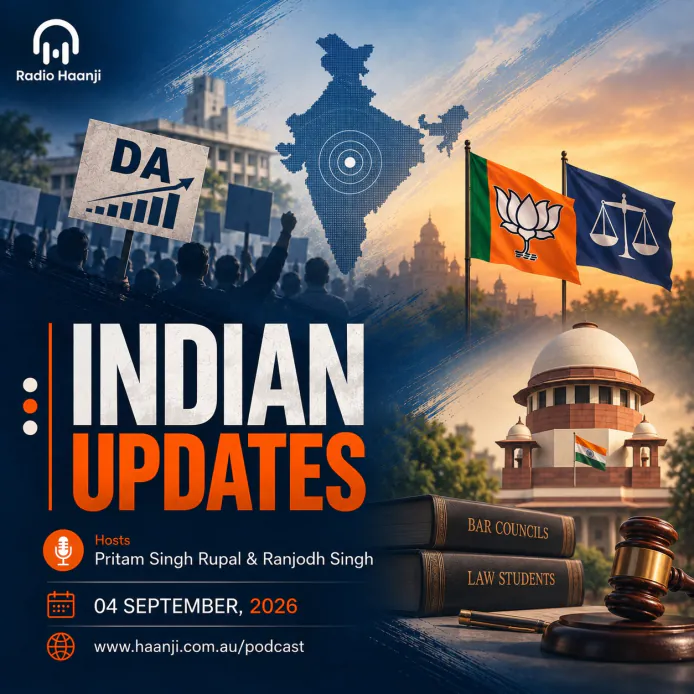
Listen to the latest Indian Updates analysis with Pritam Singh Rupal covering Raghav Chadha voter roll issue, Supreme Court Bar Council ruling, and Punjab political alliances.
Staying updated with regional and national affairs is crucial for understanding the changing socio-political fabric of India. In this broadcast edition of Indian Updates, host Krishna is joined by seasoned political analyst Pritam Singh Rupal to dissect four key developments making headlines across Punjab, Delhi, and the national stage.
From administrative nuances surrounding voter roll updates to landmark judicial verdicts safeguarding student rights, this comprehensive breakdown brings forth deep insights. Tune in to our regular segments on Today Updates for daily briefings, or explore community narratives on Boys Meetup and thought-provoking ideas on Notebook.
1. The Controversy Over Voter List Revisions: Raghav Chadha’s Case
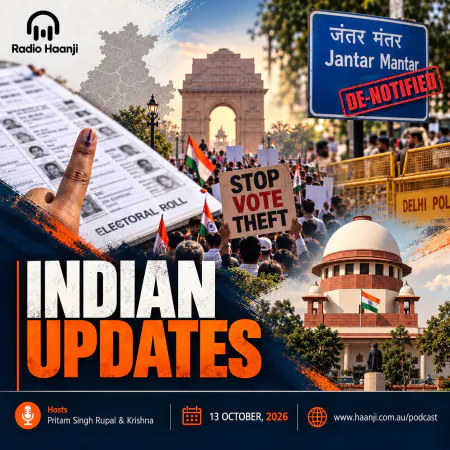
Administrative revisions in electoral rolls often trigger intense political friction. A key talking point in recent news is the absence of Rajya Sabha MP Raghav Chadha’s name from voter lists during the Special Summary Revision (SIR) in Punjab and Delhi. Following this, public statements alleged political vendetta by opposing factions.
During the discussion, analyst Pritam Singh Rupal emphasized the structural mechanisms governing Indian electoral processes:
-
Jurisdiction of the Election Commission: Electoral roll verification and SIR are directly under the purview of the Chief Election Commission (CEC) of India and State Chief Electoral Officers (CEOs). These bodies function independently of state or ruling party interference.
-
Standard Verification Protocol: Changing voter registration between constituencies—such as from Delhi to Punjab—requires fulfilling precise procedural checks. Individuals not documented on historical reference rolls must supply required verification paperwork.
-
Administrative Reality vs. Rhetoric: Administrative lapses or technical documentation bottlenecks are standard procedural matters. Turning procedural verification requirements into political conspiracies reflects unnecessary political drama rather than systemic malpractice.
2. Supreme Court Defines the Boundaries of Bar Councils
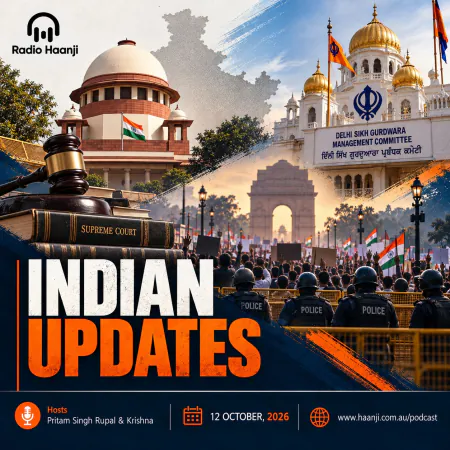
In a significant judicial verdict, the Supreme Court of India established a clear precedent regarding the disciplinary reach of statutory bodies over law students.
The ruling stemmed from an incident at NALSAR University of Law, where students protested against a visit and address by a sitting Supreme Court judge. In response, the local State Bar Council threatened punitive measures, suggesting it would block these students from obtaining professional law licenses upon graduation.
Key Points of the Supreme Court Judgment:
-
Lack of Jurisdiction Over Students: The Supreme Court bench clarified that Bar Councils do not hold statutory authority over university students. Their disciplinary jurisdiction begins only after a candidate completes their law degree, applies for enrollment, and is formally admitted as an advocate.
-
Protection of Democratic Dissent: Academic spaces foster debate and dissent. Penalizing students for exercising freedom of expression within academic frameworks violates fundamental democratic norms.
-
Institutional Accountability: The court dismissed arbitrary overreach by the Bar Council, reaffirming that regulatory professional bodies must operate strictly within the legislative mandates granted to them.
For those interested in exploring deeper intellectual topics, scientific phenomena, and broader global perspectives, visit The Deep Talk Show.
3. Political Realignment in Punjab: Coalition Dilemmas
Punjab’s political environment is witnessing major realignments ahead of upcoming electoral battles. Talks around a renewed coalition between the Bharatiya Janata Party (BJP), Shiromani Akali Dal (Badal), and the breakaway faction 'Punar Surjit' Akali Dal have sparked intense debate.
Several structural complications continue to stall formal agreements:
-
Leadership Tensions: The breakaway 'Punar Surjit' faction remains strongly opposed to accepting Sukhbir Singh Badal's central leadership, creating an internal deadlock within Akali politics.
-
The BJP's Expanding Ambitions: Moving away from its historical role as a junior partner in Punjab—where it previously contested roughly 23 seats—the BJP is reportedly targeting upwards of 50 assembly seats or even eyeing claim over the Chief Ministerial candidate.
-
Fragmented Voter Base: Rising grassroots support around distinct Panthic leadership, internal factionalism within the Congress party ahead of national leadership tours, and the incumbent Aam Aadmi Party’s governance record have created a multipolar contest where no single alliance holds an easy majority.
4. Punjab Government Employees and the Dearness Allowance (DA) Impasse
Administrative challenges continue to mount for the Punjab government as state employees intensify their protests regarding pending Dearness Allowance (DA) arrears and salary adjustments.
The government's proposal to adopt the Central Pay Pattern has met stiff resistance from employee unions:
-
Pending Financial Commitments: Accumulated DA arrears (standing at approximately 18%) remain a core demand. Legal directives from the High Court have added judicial pressure on the state administration to disburse these dues.
-
Terms of Service Alterations: Analysts point out that unilaterally adjusting salary patterns after employee appointment faces severe legal hurdles.
-
Electoral Ramifications: While the administration benefits from public goodwill generated by social welfare programs and improved canal irrigation networks across agricultural regions, ongoing employee dissatisfaction and impending strikes could create significant friction during election season.
When you need a quick break from serious socio-political discussions, unwind with our lighthearted audio collection on Laughter Therapy or listen to captivating story adaptations on Kitaab Kahani.
Frequently Asked Questions
Why was Raghav Chadha’s name excluded from the voter list?
Can a Bar Council penalize law students for campus protests?
What are the main obstacles to a BJP-Akali Dal alliance in Punjab?
Why are Punjab state employees protesting?
What's Your Reaction?