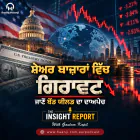
































































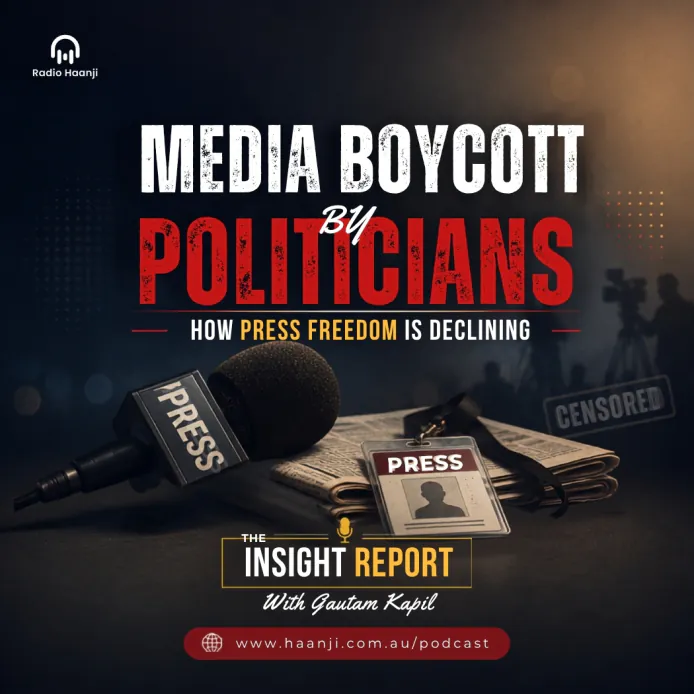
Media Boycott By Politicians: How Press Freedom Is Declining - The Insight Report - Gautam Kapil
Host:-
 Gautam Kapil
Explore why politicians boycott mainstream media, how digital channels bypass journalists, and what it means for global press freedom in 2026.
When political leaders choose who gets to ask questions—and actively exclude those who challenge them—the foundational relationship between the press and the public breaks down. In press briefing rooms and campaign trails across the globe, news organizations face unprecedented access restrictions, public vilification, and outright bans from elected officials. This deliberate push to sideline critical journalism marks a pivotal shift in how information is controlled, distributed, and consumed.
The trend of media boycott politicians is no longer an isolated strategy used by fringe parties; it has become a standard playbook for political figures across established democracies and authoritarian regimes alike. When political leaders decide that mainstream media is dispensable or hostile, the public loses its primary tool for holding authority accountable. Analyzing this phenomenon reveals how digital communication, political polarization, and legislative pressure intersect to reshape public discourse.
The Mechanics of the Modern Political Media Boycott
Political boycotts of news organizations manifest in several key ways. The most visible form is the press conference ban, where specific journalists or entire media networks are denied entry to official briefings. In Australia, One Nation leader Pauline Hanson famously barred journalists from The Guardian and the Australian Broadcasting Corporation (ABC) from a press conference in Victoria, arguing that public broadcasters failed to report fairly. Similarly, former U.S. President Donald Trump routinely clashed with reporters from CNN and The New York Times, revoking press credentials and labeling mainstream networks as "fake news".
Beyond physical exclusion, modern political figures leverage direct-to-consumer digital channels to bypass traditional newsrooms entirely. Rather than facing unscripted questioning, leaders utilize personal podcasts, live streams, and social media platforms to push unvetted narratives. By framing traditional media outlets as biased middle-men, politicians rationalize their refusal to participate in press conferences, leaving critical public interest issues unexamined.
Why Do Politicians Boycott Mainstream Media Outlets?
Politicians boycott mainstream media outlets primarily to avoid unscripted scrutiny, control public narrative framing, and reinforce loyalty among their core voter base. By labeling critical news organizations as partisan or fake, political figures discredit challenging coverage before it reaches the public while establishing their own channels as the sole source of truth.
This strategy delivers strategic advantages to political campaigns:
-
Evasion of Difficult Inquiries: Facing independent journalists means answering uncomfortable questions regarding policy failures, public spending, corruption, or legal challenges. Boycotting outlets that ask tough questions eliminates public accountability.
-
Direct Audience Rejection of Scrutiny: When a politician repeatedly tells supporters that a specific network is hostile, their audience begins to dismiss all reporting from that outlet. This insulates the leader from external criticism.
-
Rise of Alternative Communication Channels: Social media platforms allow politicians to speak directly to millions of followers without editorial oversight or real-time fact-checking.
How Does Media Polarization Affect Global Democracy?
Media polarization damages global democracy by dividing audiences into isolated information ecosystems, eliminating shared factual consensus, and reducing public trust in democratic institutions. When news outlets cater exclusively to specific political ideologies, citizens receive conflicting versions of reality, making bipartisan governance and constructive public debate nearly impossible.
The division between right-wing and left-wing media bias creates distinct realities for different voter bases. Outlets aligned with right-wing perspectives frequently focus on national sovereignty, regulatory burdens, and traditional social structures, while left-wing networks emphasize social equity, human rights, and corporate accountability. While diverse viewpoints are essential in a democracy, hyper-polarization transforms news organizations into promotional tools for political parties.
When media channels function as partisan echo chambers, they abandon neutral news coverage in favor of audience retention strategies. This polarization creates an environment where politicians can easily dismiss any investigative report from an opposing network as partisan propaganda, rendering traditional checks and balances ineffective.
What Is the World Press Freedom Index Showing in 2026?
The 2026 World Press Freedom Index published by Reporters Without Borders (RSF) reveals that press freedom faces severe or difficult conditions in over 50% of the 180 evaluated countries. Only approximately 1% of the global population lives in regions classified as having a truly free press environment.
Scandinavian nations continue to top the rankings due to strong legislative protections and independent public broadcasting frameworks. Norway maintains the top position, supported by legal guarantees preventing political interference in editorial independence.
Conversely, large democracies and authoritarian regimes show concerning declines:
-
Legal and Economic Pressure: In Turkey (ranked 163rd), government-aligned business conglomerates control nearly 90% of mainstream media, while strict disinformation laws permit the imprisonment of independent reporters.
-
Physical Dangers in Conflict Zones: Investigative reporters face extreme personal risk in active war zones. In Gaza, over 250 media workers and freelancers have lost their lives during active coverage, severely restricting independent reporting from the field.
-
Institutional Scrutiny Deficits: Major nations including India (157th), Russia (172nd), and China (178th) exhibit structural barriers where state-backed networks dominate public information while critical journalists encounter judicial harassment.
The Erosion of Investigative Journalism and Ground Truth
The systematic boycott of news outlets coincides with a broader structural decline in investigative journalism. Field reporting requires significant financial resources, legal backing, and time. As newsroom budgets shrink and political pressure builds, media houses increasingly replace costly investigative desks with low-cost opinion panels and reaction commentary.
This shift away from fact-based field reporting toward comment-driven content plays directly into the hands of political strategists. When news organizations rely on commentary rather than primary research, sensationalism takes precedence. Clickbait headlines, manipulated screenshots, and AI-generated fabrications proliferate on social platforms, making it difficult for the average citizen to distinguish verified reporting from deliberate misinformation.
Navigating the Information Crisis: A Guide to Media Literacy
Protecting democratic debate requires citizens to develop active media literacy habits. Relying on a single news feed or social media algorithm leaves individuals vulnerable to narrative manipulation.
To evaluate news coverage critically, consider the following practices:
-
Inspect the Byline: Identify who authored the story and review their reporting history. Established journalists maintain verifiable track records and adhere to professional standards.
-
Cross-Check Primary Sources: When reading about controversial political statements or policy updates, verify the claims against official transcripts or independent agency databases.
-
Utilize Independent Fact-Checkers: Rely on non-partisan fact-checking platforms such as Snopes, Alt News, Boom Live, or public broadcaster fact-checking units to verify viral claims.
-
Beware of Clickbait and Sensationalism: Avoid headlines designed explicitly to provoke outrage or emotional reactions. Legitimate reporting prioritizes verifiable facts over sensationalist framing.
Key Takeaways
-
Political boycotts of mainstream media are a global tactic used to avoid unscripted scrutiny and undermine independent journalism.
-
Bypassing newsrooms through direct digital channels allows politicians to broadcast unverified statements without real-time fact-checking.
-
Media polarization splits audiences into partisan echo chambers, destroying shared public consensus on critical issues.
-
Reporters Without Borders data indicates that press freedom is severely constrained across more than half of the world's nations.
-
Strengthening personal media literacy and utilizing independent fact-checking resources are essential steps for navigating manipulated digital content.
Frequently Asked Questions
Why do politicians call mainstream media "fake news"?
What is the difference between right-wing and left-wing media bias?
How do anti-disinformation laws impact press freedom?
Can media boycott strategies backfire on politicians?
How can readers verify whether a news story is trustworthy?
What's Your Reaction?