








































07 Sept - Laughter Therapy Radio Haanji: Father's Day Special - Yash & Ranjodh Singh
Host:-
 Ranjodh Singh
 Yash Kaur
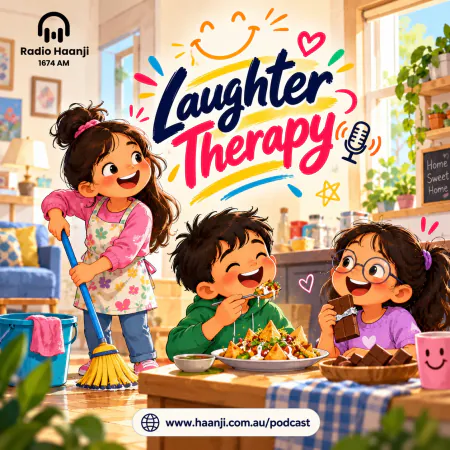
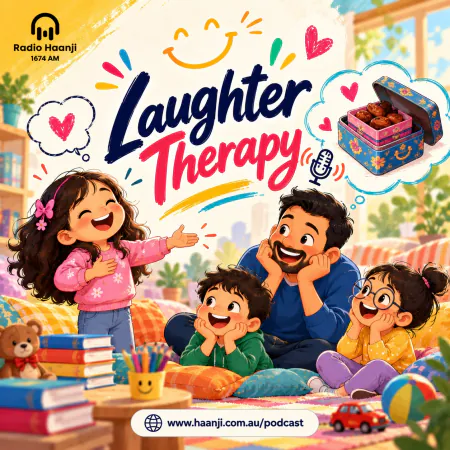
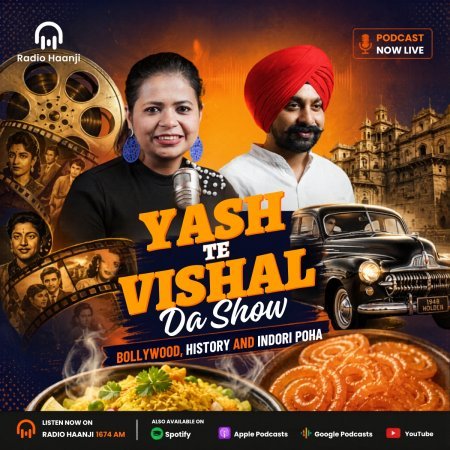
Explore the Father's Day edition of Laughter Therapy on Radio Haanji with hosts Ranjodh Singh and Yash. Listen to the full episode and family highlights.
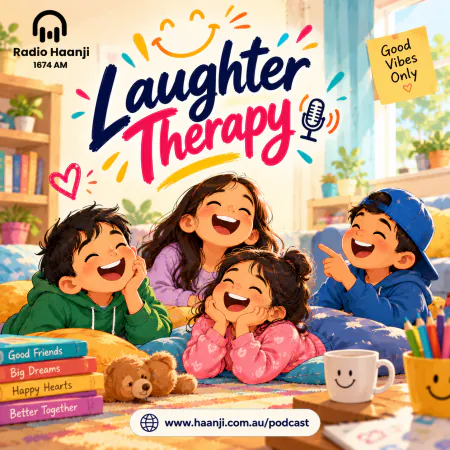
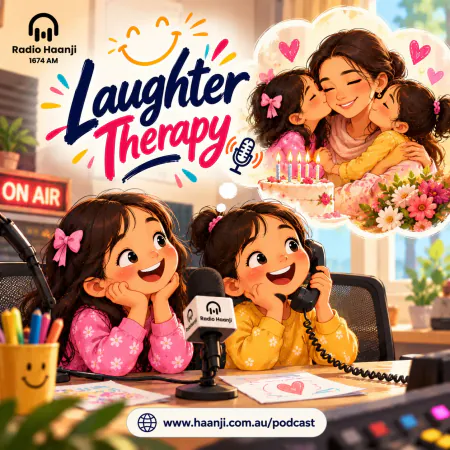
Starting the morning with shared laughter has a unique way of wiping away yesterday's fatigue and bringing a scattered community onto the same frequency. On the September 7, 2026 broadcast of laughter therapy radio haanji, hosts Ranjodh Singh and Yash turned their signature live morning segment into an open, warm celebration centered on Father's Day. By stepping back and handing the microphone over to early-rising children, busy parents, and regular callers, the program demonstrated how community broadcasting transforms everyday domestic moments into collective joy.
Across the Punjabi diaspora, morning radio is far more than background noise; it serves as a shared kitchen table where families connect on the school run or the daily commute. When young voices call in to share candid family observations, innocent slip-ups, and spontaneous songs, the line between broadcast talent and listener disappears. This particular transmission captured the honest texture of immigrant family life, balancing lighthearted teasing with deep appreciation for paternal figures.
Through riddles, playful disputes over Father's Day restaurant bills, and cultural rhymes (boliyan), the hosts established a relaxed environment where anyone could join in. The broadcast showed that humor does not require elaborate scripts or heavy punchlines; rather, the most enduring warmth comes from everyday honesty, unpolished children's stories, and the shared language of home.
Where to Listen
Catch the full broadcast of Laughter Therapy featuring hosts Ranjodh Singh and Yash on Radio Haanji 1674 AM. You can stream live programming, catch up on past editions, and follow dedicated podcast archives across major streaming networks and direct mobile applications.
Episode Highlights
The broadcast unfolded through a lively sequence of live caller interactions, centering on how households celebrated their fathers while navigating weekday mornings. Ranjodh Singh and Yash set a welcoming tone, inviting listeners of all ages to set aside daily worries and share a light moment.
Young callers quickly drove the direction of the show, recounting their Father's Day experiences with candid honesty. Gurbaj opened the interactions with playful banter, sharing a cheeky prank about swapping lipstick for glue to buy his dad some quiet time. Amber followed with a musical tribute, singing Chanda Ne Poocha Taaron Se while humorously adapting the lyrics into saste pyara, sparking genuine amusement from both hosts.
As calls flowed in, the conversation moved from indoor jokes to family outings and local activities. Tegh described visiting Crocodile Park in Point Cook and posed a classic riddle about a samosa emerging from hot oil. Sibling duos Mannat and Fateh detailed a full day of keeping their father on his toes with gift shopping, chores, and song recitations. The dialogue captured a realistic picture of modern diaspora childhood—balancing Punjabi heritage school with trips to retail centers and community parks.
Older children and adult callers added complementary perspectives to the morning program. Shreya shared thoughtful gifts and traditional festival riddles, while Asees Kaur discussed balancing school ambitions with sweet poetic verses honoring parents. Tavneet Kaur reflected on sibling dynamics, homemade ice cream experiments inspired by the station's content, and growing up alongside the broadcast. Sukhan Dhadwal contributed a traditional Punjabi boliemphasizing the irreplaceable role of a father, leading seamlessly into adult caller Lal Ji's humorous commentary on household bills, cinema outings, and married life.
How Does Laughter Therapy Radio Haanji Celebrate Father's Day?
Laughter therapy on Radio Haanji celebrates Father's Day by opening live phone lines to children and parents, encouraging unscripted storytelling, comedic confessions, traditional rhymes, and good-natured ribbing. Rather than running formal tributes, the show invites listeners to share candid memories, simple outings, and spontaneous songs that capture the genuine reality of family life.
Throughout the broadcast, hosts Ranjodh Singh and Yash invited callers to speak without pretense. Young callers took center stage, detailing how their celebrations actually played out at home. Sibling callers explained how their fathers spent the holiday assembling gifts, taking the family to local plazas, or being playfully tasked with cleaning routines. This lighthearted approach allowed fathers to be celebrated not as distant figures of authority, but as approachable, deeply involved parents who enjoy sharing a laugh with their kids.
The informal atmosphere encouraged spontaneous moments of entertainment that resonated across the diaspora. When young Fateh belted out lines from Manmohan Waris's classic Koka Karke Dhokha, it linked popular Punjabi music culture directly to early morning car rides. By giving children room to express affection in their own quirky ways, the show highlighted that everyday domestic laughter is often the most meaningful gift a parent receives.
Why Are Live Listener Phone-Ins Central to Punjabi Morning Shows?
Live listener phone-ins form the backbone of Punjabi morning radio because they provide immediate community representation, bridge geographical distance for immigrant families, and preserve oral storytelling traditions. Hearing ordinary community members share their morning routines, school plans, and local updates creates an inclusive, shared town square that pre-recorded programming cannot replicate.
During this episode, callers joined from cars, living rooms, and school corridors, bringing the authentic pulse of the community straight to air. Listeners like Asees Kaur spoke candidly about preparing for the school day while still taking time to greet the community. These unscripted exchanges reflect the dual lives of diaspora youth, who move effortlessly between Australian suburban realities, such as school visits to Point Cook, and traditional Punjabi values.
The interactive nature of punjabi radio laughter therapy creates an inviting space where listeners become co-creators of the broadcast. When regular callers like Lal Ji contribute practical, adult humor about footing the bill for family breakfasts, it validates the collective experiences of working parents. This blend of childlike innocence and adult camaraderie keeps community radio grounded, accessible, and deeply trusted.
What Makes Family Banter and Cultural Verses Resonate Across Generations?
Family banter and traditional Punjabi verses bridge generational divides by pairing traditional cultural reverence with contemporary humor. Reciting boliyan or childhood riddles (bujharatan) allows younger diaspora generations to practice linguistic heritage naturally, while playful domestic teasing keeps the conversations fresh, relatable, and engaging.
Cultural memory was on full display when Sukhan Dhadwal recited a moving couplet asserting that no bond in the world compares to that of a father (Piyo warga na koi). Far from feeling rigid or academic, these traditional expressions fit naturally alongside modern anecdotes about shopping trips, toy trucks from wholesale warehouses, and visits to local play areas. The station proves that cultural continuity thrives best when it is lived, spoken, and laughed about in daily conversation.
Generational harmony also relies on mutual humor. When Tavneet Kaur mentioned attempting homemade dessert recipes discovered through host Yash's digital videos, it demonstrated how modern multimedia platforms reinforce cross-generational engagement. The interaction between hosts and callers treats every generation as an essential part of the household, proving that respect and humor naturally support one another.
Key Takeaways
-
The Power of Morning Humor: Radio Haanji's Laughter Therapy uses spontaneous comedy and talkback to lighten daily routines and unite diaspora listeners.
-
Childhood Honesty Front and Center: The broadcast highlighted unvarnished stories from young callers, showcasing practical family life over rehearsed greetings.
-
Preserving Culture Through Spoken Word: Traditional boliyan, folk song renditions, and Punjabi riddles (bujharatan) remain active, engaging parts of young diaspora lives.
-
Modern Suburban Identity: Callers seamlessly linked Punjabi heritage with everyday Australian life, referencing local parks, school routines, and family shopping trips.
-
Community-Led Broadcasting: The open talkback format allowed listeners to steer the conversation, showing that authentic audie
Tune in to the complete broadcast of Laughter Therapy with Ranjodh Singh and Yash on Radio Haanji 1674 AM to enjoy the full lineup of children's riddles, jokes, and family reflections. Download the official Radio Haanji application or stream the episode on Spotify and Apple Podcasts to stay connected with everyday diaspora stories and uplifting community laughter.
Frequently Asked Questions
What is the primary focus of Laughter Therapy on Radio Haanji?
Who hosts the Laughter Therapy show on Radio Haanji?
How do children participate in Radio Haanji morning shows?
What themes were explored during the Father's Day special?
Where can listeners stream Radio Haanji 1674 AM broadcasts?
Why is interactive community radio significant for diaspora families?
What's Your Reaction?