









































Udham Singh - 13 March 1940 - The Day a Punjabi Revolutionary Changed History in London - Punjabi Podcast - Radio Haanji
Host:-
 Ranjodh Singh
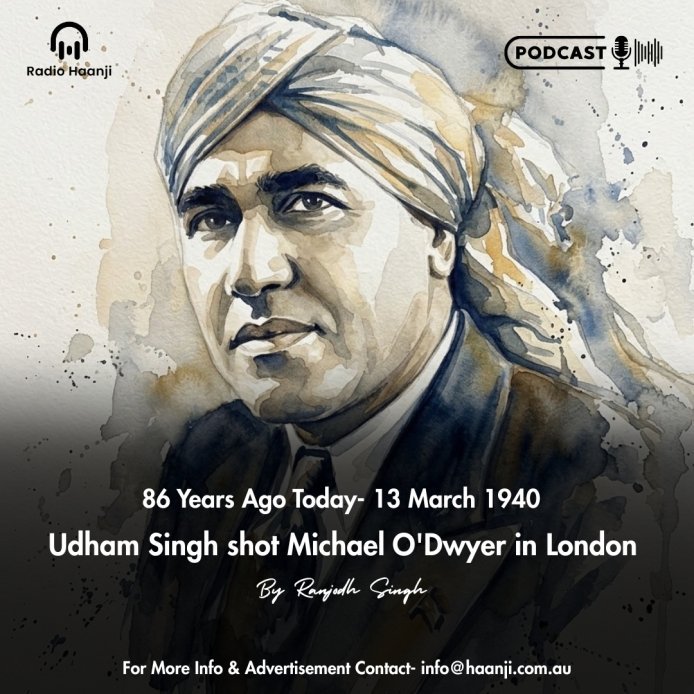
86 years ago today, Udham Singh shot Michael O'Dwyer in London — 21 years after Jallianwala Bagh. Ranjodh Singh tells the full story on Radio Haanji 1674 AM.
13 ਮਾਰਚ 1940 ਦਾ ਦਿਨ ਭਾਰਤੀ ਆਜ਼ਾਦੀ ਦੀ ਲੜਾਈ ਦੇ ਇਤਿਹਾਸ ਵਿੱਚ ਬਹੁਤ ਮਹੱਤਵਪੂਰਨ ਮੰਨਿਆ ਜਾਂਦਾ ਹੈ।
ਸ਼ਹੀਦ ਊਧਮ ਸਿੰਘ ਅਤੇ ਬਦਲੇ ਦੀ ਦਾਸਤਾਨ
ਪੰਜਾਬ ਦੇ ਮਹਾਨ ਕ੍ਰਾਂਤੀਕਾਰੀ *ਊਧਮ ਸਿੰਘ* ਨੇ ਲੰਡਨ ਵਿੱਚ ਪੰਜਾਬ ਦੇ ਸਾਬਕਾ ਲੈਫਟੀਨੈਂਟ ਗਵਰਨਰ *ਮਾਈਕਲ ਓਡਵਾਇਰ (Michael O'Dwyer)* ਨੂੰ ਗੋਲੀਆਂ ਮਾਰ ਕੇ ਹਲਾਕ ਕਰ ਦਿੱਤਾ।
ਇਹ ਕੋਈ ਅਚਾਨਕ ਹੋਇਆ ਹਮਲਾ ਨਹੀਂ ਸੀ। ਊਧਮ ਸਿੰਘ 1919 ਦੇ *ਜਲ੍ਹਿਆਂਵਾਲਾ ਬਾਗ ਦੇ ਸਾਕੇ* ਦਾ ਬਦਲਾ ਲੈਣ ਲਈ ਪਿਛਲੇ 21 ਸਾਲਾਂ ਤੋਂ ਮੌਕੇ ਦੀ ਭਾਲ ਵਿੱਚ ਸਨ। 1919 ਵਿੱਚ ਜਦੋਂ ਅੰਮ੍ਰਿਤਸਰ ਵਿੱਚ ਨਿਹੱਥੇ ਲੋਕਾਂ 'ਤੇ ਗੋਲੀਆਂ ਚਲਾਈਆਂ ਗਈਆਂ ਸਨ, ਉਦੋਂ ਮਾਈਕਲ ਓਡਵਾਇਰ ਹੀ ਪੰਜਾਬ ਦਾ ਗਵਰਨਰ ਸੀ ਅਤੇ ਉਸ ਨੇ ਜਨਰਲ ਡਾਇਰ ਦੇ ਇਸ ਜ਼ੁਲਮ ਦੀ ਹਮਾਇਤ ਕੀਤੀ ਸੀ।
13 ਮਾਰਚ 1940 ਨੂੰ ਕੈਕਸਟਨ ਹਾਲ ਵਿੱਚ 'ਈਸਟ ਇੰਡੀਆ ਐਸੋਸੀਏਸ਼ਨ' ਅਤੇ 'ਰਾਇਲ ਸੈਂਟਰਲ ਏਸ਼ੀਅਨ ਸੋਸਾਇਟੀ' ਦੀ ਇੱਕ ਸਾਂਝੀ ਮੀਟਿੰਗ ਹੋ ਰਹੀ ਸੀ। ਜਿਵੇਂ ਹੀ ਮੀਟਿੰਗ ਖ਼ਤਮ ਹੋਈ, ਊਧਮ ਸਿੰਘ ਨੇ ਆਪਣੀ ਕਿਤਾਬ ਵਿੱਚ ਲੁਕਾ ਕੇ ਰੱਖੇ ਰਿਵਾਲਵਰ ਨਾਲ ਓਡਵਾਇਰ 'ਤੇ ਗੋਲੀਆਂ ਚਲਾ ਦਿੱਤੀਆਂ।
ਗੋਲੀਆਂ ਚਲਾਉਣ ਤੋਂ ਬਾਅਦ ਊਧਮ ਸਿੰਘ ਨੇ ਭੱਜਣ ਦੀ ਕੋਸ਼ਿਸ਼ ਨਹੀਂ ਕੀਤੀ। ਉਨ੍ਹਾਂ ਨੇ ਬੜੀ ਨਿਡਰਤਾ ਨਾਲ ਆਪਣੀ ਗ੍ਰਿਫ਼ਤਾਰੀ ਦਿੱਤੀ। ਅਦਾਲਤ ਵਿੱਚ ਪੁੱਛੇ ਜਾਣ 'ਤੇ ਉਨ੍ਹਾਂ ਨੇ ਆਪਣਾ ਨਾਮ *'ਰਾਮ ਮੁਹੰਮਦ ਸਿੰਘ ਆਜ਼ਾਦ'** ਦੱਸਿਆ, ਜੋ ਭਾਰਤ ਦੀ ਧਾਰਮਿਕ ਏਕਤਾ ਦਾ ਪ੍ਰਤੀਕ ਸੀ।
ਇਸ ਘਟਨਾ ਤੋਂ ਬਾਅਦ ਉਨ੍ਹਾਂ 'ਤੇ ਮੁਕੱਦਮਾ ਚਲਾਇਆ ਗਿਆ ਅਤੇ 31 ਜੁਲਾਈ 1940 ਨੂੰ ਲੰਡਨ ਦੀ ਪੈਂਟਨਵਿਲੇ ਜੇਲ੍ਹ ਵਿੱਚ ਉਨ੍ਹਾਂ ਨੂੰ ਫਾਂਸੀ ਦੇ ਦਿੱਤੀ ਗਈ
Udham Singh - 13 March 1940 - The Day a Punjabi Revolutionary Walked Into Caxton Hall and Made History
Eighty-six years ago today, a man walked into a meeting room in London, waited for the speeches to finish, and then did what he had spent 21 years preparing to do.
His name was Udham Singh. The year was 1940. And what happened that afternoon in Caxton Hall — a revolver hidden inside a book, a single act of defiance carried across two decades and two continents — is one of the most extraordinary stories in the history of India's freedom movement.
Today, on Radio Haanji 1674 AM, Ranjodh Singh marked the anniversary of that day. Because some dates deserve to be spoken aloud. Thirteen March 1940 is one of them.
Jallianwala Bagh — where the story begins, not ends
To understand what happened in London in 1940, you have to go back to Amritsar in 1919.
On 13 April 1919, British troops under Brigadier-General Reginald Dyer opened fire on a peaceful gathering at Jallianwala Bagh. The crowd had assembled for Baisakhi. They were unarmed. The exits were sealed. The firing continued until the ammunition ran low. Estimates of the dead range from several hundred to over a thousand. The wounded numbered far higher.
The massacre was not a miscalculation or a moment of panic. It was ordered, sustained, and defended. And among those who defended it most loudly was Michael O'Dwyer — the Lieutenant Governor of Punjab at the time — who endorsed General Dyer's action and called it correct. When the British government eventually forced Dyer into retirement under mounting pressure, O'Dwyer continued to publicly justify what had been done.
Udham Singh was in Amritsar that day. He saw what happened. He was a young man, barely past his teens, when the bullets tore through the garden. Whatever he carried away from Jallianwala Bagh, he carried for the rest of his life.
Twenty-one years of waiting
There is something almost impossible to hold about that span of time. Not weeks. Not months. Twenty-one years.
Udham Singh spent those years moving — India, Europe, the United States, East Africa. He was watched by British intelligence. He was arrested more than once. He lived under different names, took different work, kept moving. Through all of it, the purpose did not change.
By 1934 he was in England. By the late 1930s he was in London. He knew O'Dwyer was there. He knew the circles the man moved in — the colonial establishment's lecture halls and society meetings where former administrators gathered to remember an empire they still thought had been noble.
He waited for his moment. He prepared for it.
13 March 1940 — Caxton Hall, London
The meeting that evening was unremarkable by the standards of that world. The East India Association and the Royal Central Asian Society had arranged a joint gathering. O'Dwyer was among those scheduled to speak. These were the kinds of events that filled the diaries of British men who had administered India and returned home to write their memoirs.
Udham Singh was in the audience. He had a revolver hollowed into the pages of a book.
When the meeting ended and the crowd began to move, he stepped forward and fired. Michael O'Dwyer was struck twice and died at the scene. Others in the room were wounded, including the Secretary of State for India and the former Governor of Bengal.
Udham Singh did not run. He stood where he was and let himself be taken. There was no panic in his face, no scramble for an exit. He had spent 21 years planning this and he had known from the start that it ended here.
Ram Mohammad Singh Azad
When British police and then the court asked for his name, Udham Singh gave them one they had not expected.
Ram Mohammad Singh Azad.
Three names. A Hindu name, a Muslim name, a Sikh name, and the word for freedom — azad. It was a statement as deliberate as everything else he had done. He was not acting for one religion or one community. He was acting for India. The massacre at Jallianwala Bagh had not distinguished between Hindus, Muslims and Sikhs when the bullets flew. His answer to it would not either.
It was a moment of political clarity that cut through everything. Whatever the British press made of the shooting, whatever legal frame was placed around the trial, the name he gave in that courtroom said clearly what this was and what it was not.
The trial and the sentence
The trial did not take long. Udham Singh made no attempt to deny what he had done or explain it away. He told the court that O'Dwyer deserved what had happened to him, that Jallianwala Bagh had never been answered, that he had done his duty.
On 31 July 1940, he was hanged at Pentonville Prison in London. He was 37 years old.
He was buried in the prison grounds. His remains were eventually repatriated to India in 1974 — more than three decades after his death — and he was received in Punjab as a martyr. Sunam, the town in Sangrur district where he was born, held the kind of welcome that a man who waited 21 years for justice deserved.
India declared him Shaheed — martyr. Punjab claimed him as its son. The name Ram Mohammad Singh Azad endured.
What Ranjodh Singh brought to the microphone today
On Radio Haanji 1674 AM this morning, Ranjodh Singh did not just recount dates and facts. He carried the weight of this story into the present — because history like this does not stay in the past.
For Melbourne's Punjabi and Indian community, the story of Udham Singh travels across generations the way certain stories do. People who grew up hearing this name at home, from parents and grandparents who knew what Jallianwala Bagh meant to Punjab, now hear it told again through a radio station that speaks their language in a city on the other side of the world.
That continuity is what Radio Haanji does. On a morning when most people woke up to a Friday like any other, Ranjodh Singh made sure some of them woke up to 13 March as the date it actually is — the anniversary of a man who held onto a purpose for 21 years and saw it through.
You can listen to more history, culture and community coverage across Radio Haanji's full programming at haanji.com.au/podcast. For deep-dive historical episodes, the Sikh History podcast series and The Insight Report with Gautam Kapil are worth your time.
Listen to Radio Haanji 1674 AM — free, every day
Listen on Spotify — Follow Radio Haanji on Spotify for daily episodes delivered straight to your app.
Listen on Apple Podcasts — Subscribe on Apple Podcasts and never miss an episode.
Download the iOS app — Stream live and access the full episode library on iPhone and iPad.
Download the Android app — Free on Google Play for all Android devices.
Udham Singh waited 21 years for one day. The least any of us can do is remember it.
Radio Haanji 1674 AM | Punjabi Podcast | Broadcasting from Melbourne, Australia
Listen free at haanji.com.au | Available on Spotify & Apple Podcasts
Serving the Punjabi community across Melbourne · Sydney · Brisbane · Australia · Worldwide
What's Your Reaction?