
























































This site uses cookies. By continuing to browse the site you are agreeing to our use of cookies.
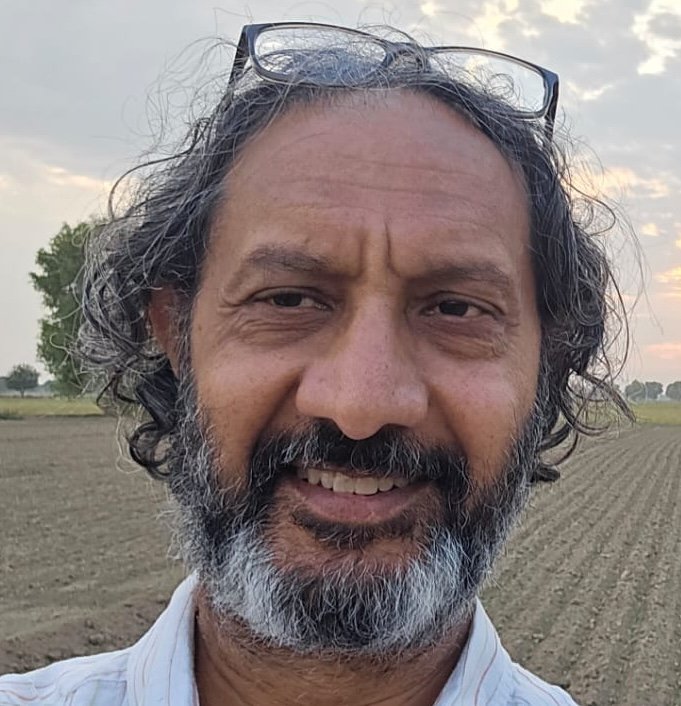
Harminder Dhillon
Climate Advocate
Harminder Dhillon is a Toronto-based lawyer, poet, and one of the most recognized voices in global climate advocacy within the Punjabi and South Asian diaspora. A gold medalist in engineering from Punjab Engineering College, he went on to study law and now practices as a lawyer in Canada — a rare combination of technical and legal expertise that has shaped his approach to environmental and policy work.
For the past twenty-five years, Harminder has dedicated himself to climate advocacy, currently serving as Board Chair of Canada's largest NGO committed to climate change. Under his leadership, the organization continues to drive impactful environmental initiatives at both the national and international level.
One of his most significant ongoing projects involves the historic Gurdwaras of Punjab, where he is leading efforts to install rainwater harvesting systems and solar power infrastructure — blending faith, heritage, and sustainability to protect some of the region's most sacred sites for future generations.
Alongside his environmental and legal work, Harminder is a published poet. His Punjabi poetry collection, Chah Wela, was released in 2025 to warm reception. He is currently working on three new books: a second poetry collection, a work exploring Gurbani, and a dedicated book on climate change — reflecting the way spirituality, literature, and environmental consciousness intersect in his life's work.
A familiar voice to audiences across continents, Harminder has made over 1,000 media appearances, speaking regularly on radio, television, and podcasts in Canada, the United States, India, and Australia. His ability to translate complex climate issues into accessible, culturally resonant conversations has made him a sought-after commentator and community educator.
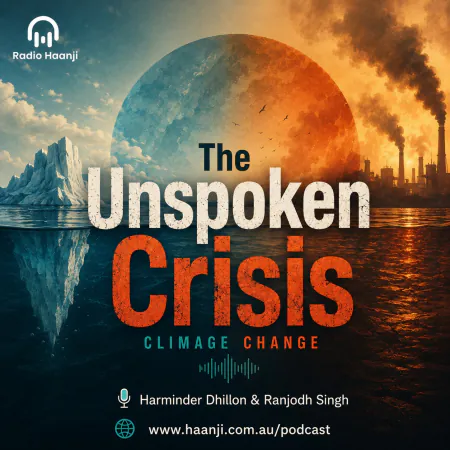
In this special episode, Harminder Dhillon joins Radio Haanji to discuss the urgency of climate action, his rainwater harvesting and solar initiatives at Punjab's Gurdwaras, and how poetry and faith can inspire environmental responsibility.
Latest from Harminder Dhillon
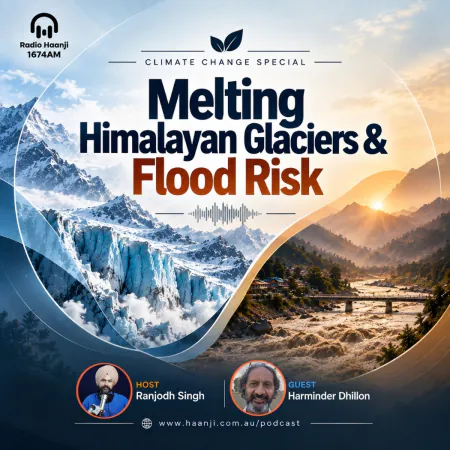
Climate Change Special
Melting Himalayan Glaciers & Flood Risk - Climate Change Special - Harminder Dhillon
Sep 11, 2026
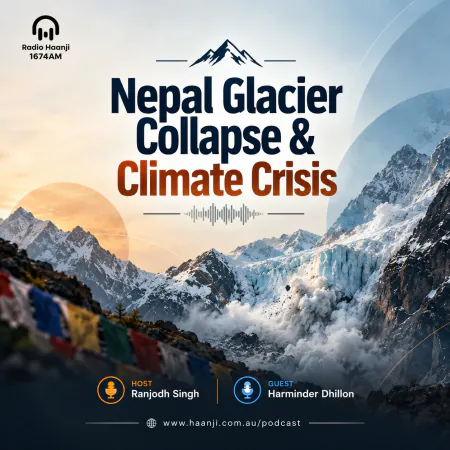
Climate Change Special
Nepal Glacier Collapse & Climate Crisis - Harminder Dhillon - Ranjodh Singh
Sep 7, 2026
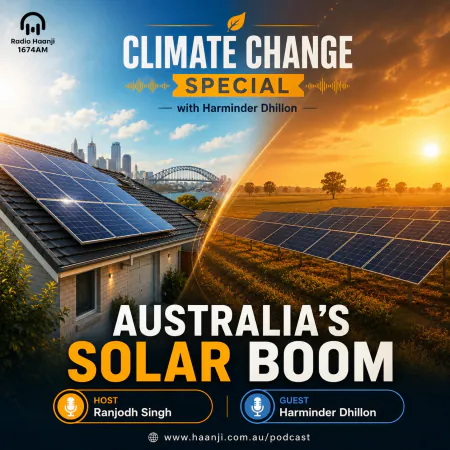
Climate Change Special
Australia's Solar Boom: Climate Change Special with Harminder Dhillon
Aug 25, 2026
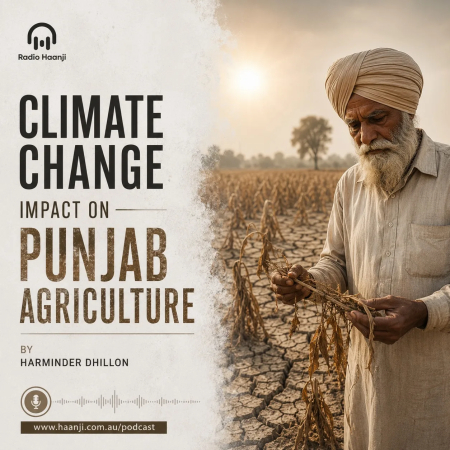
Climate Change Special
Climate Change Impact on Punjab Agriculture: The Unseen Crisis - Harminder Dhillon
Jun 24, 2026
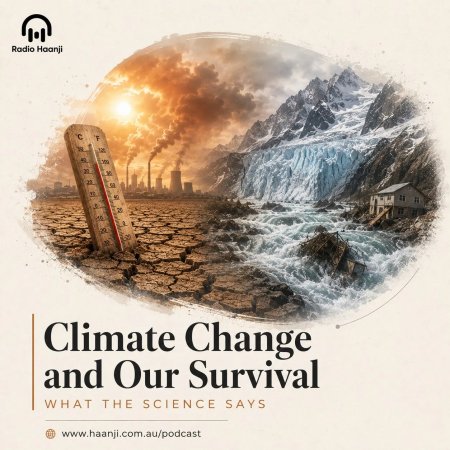
Climate Change Special
Climate Change and Our Survival: What the Science Says - Harminder Dhillon and Ranjodh Singh
Jun 20, 2026
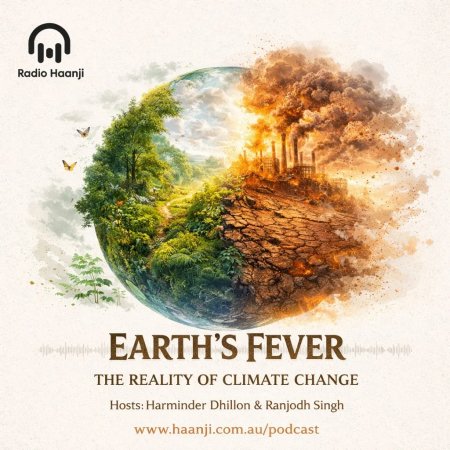
Climate Change Special
Earth's Fever: The Reality of Climate Change - Harminder Dhillon & Ranjodh Singh
Jun 9, 2026

Climate Change Special
The Level of Environmental Destruction: A Deep Dive with Harminder Dhillon - Radio Haanji
Dec 29, 2025
Climate Change Special
Why Is The Weather Acting So Weird? - Harminder Dhillon - Ranjodh Singh - Radio Haanji
Dec 14, 2025
Climate Change Special
Let's Stop Climate Change - Harminder Dhillon - Ranjodh Singh - Radio Haanji
Jan 26, 2025
Climate Change Special
How climate crisis fanned LA fire - Climate Change - Radio Haanji
Jan 18, 2025
Climate Change Special
ਪੂਰੀ ਦੁਨੀਆ ਵਿੱਚ ਵੱਧ ਰਹੇ ਹੜ੍ਹ ਅਤੇ ਸੋਕੇ ਸਾਡੇ ਲਈ ਚੇਤਾਵਨੀ ਹੈ - Climate Change - Radio Haanji
Nov 9, 2024

Climate Change Special
Ep 12: Climate Weather ਅਤੇ Environment ਇਹਨਾਂ ਸਭ ਨੂੰ ਸਮਝਣ ਦੀ ਲੋੜ੍ਹ ਹੈ - Radio Haanji
Oct 20, 2024
Radio Haanji
Discover Live Radio & Diverse Podcast on Haanji!
Download our
mobile application.
Tired of the same old tunes? mobile application.
Discover Live Radio & Diverse Podcast on Haanji!


