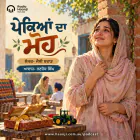





























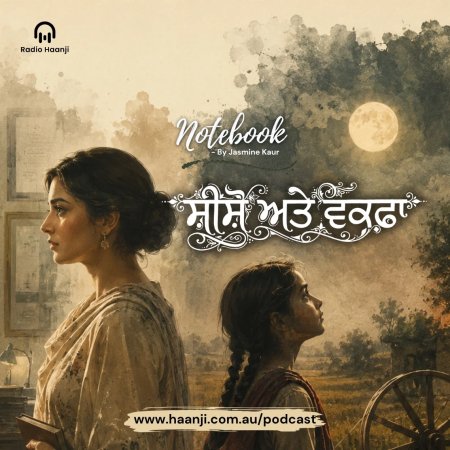































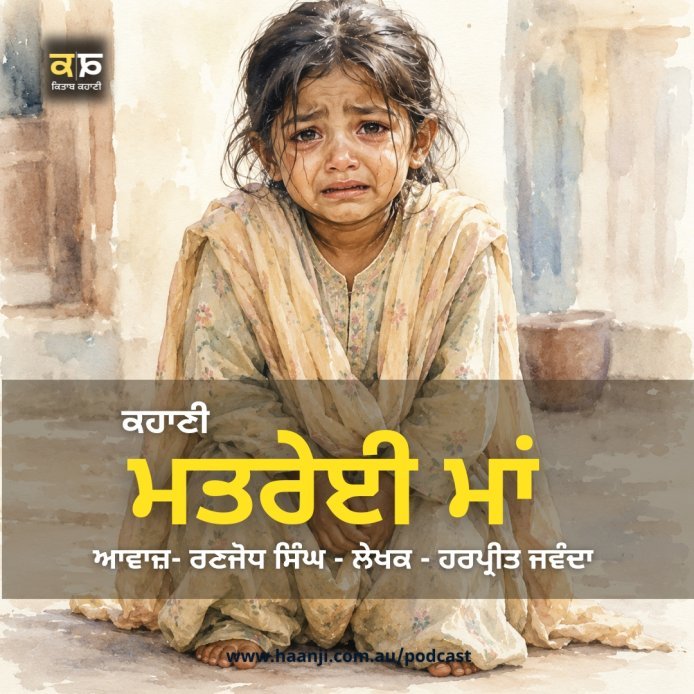

ਇੱਕ ਦਰਦਨਾਕ ਅਤੇ ਪ੍ਰੇਰਣਾਦਾਇਕ ਪੰਜਾਬੀ ਕਹਾਣੀ ਜੋ ਰੰਗ-ਭੇਦ (Colorism), ਮਤਰੇਈ ਮਾਂ ਦਾ ਸਲੂਕ ਅਤੇ ਇੱਕ ਧੀ ਦੇ ਸੰਘਰਸ਼ ਨੂੰ ਬਿਆਨ ਕਰਦੀ ਹੈ। ਲੇਖਕ: ਹਰਪ੍ਰੀਤ ਸਿੰਘ ਜਵੰਦਾ।
Some wounds don't bleed. They settle quietly under the skin — in a taunt about your father's complexion, in the silence of a door that never opens at midnight, in the absence of a mother who mopped the courtyard until she couldn't anymore.
ਮਤਰੇਈ ਮਾਂ (Matreyi Maa), the latest Punjabi audio story on Radio Haanji's Kitaab Kahani, is one of those stories. Told through the voice of a woman looking back at a childhood that took far too much from her, far too soon — it is a Punjabi kahani that does not perform its emotion. It simply tells the truth.
ਕਹਾਣੀ ਦੀ ਝਲਕ — A Glimpse Into the Story
The story opens with a father — dark-skinned, tireless, and proud. He guards wheat fields under the scorching Punjab sun, redirects irrigation channels through cold winter nights, hauls paddy and wheat to the mandi — and endures taunts about his complexion without a word.
His first wife, the narrator's biological mother, works herself to the bone. Mopping the courtyard, milking buffalo, carrying water, tending the cattle — head to toe in work, always. One sweltering afternoon, a fever overtakes her mid-sweep and she collapses in the courtyard. Taken from doctor to doctor, she cannot be saved. When she dies, the children are left in the hands of a stepmother who arrives as a new bride and makes it quickly clear that she does not welcome what came before her.
The stepmother is fairer, younger by ten to twelve years, and carries within her a contempt for the man's dark complexion that she does not bother to hide. She taunts him about it. She enrolls her own son in a private school while the two daughters walk to the government school. She feeds the girls from leftover dishes in unwashed vessels, hands them her son's oversized clothes without alteration. She tells visitors to the house that she cannot understand what her in-laws ever saw in "this man."
Then the father dies in a road accident.
The narrator recalls clinging to his body, lying down in front of the cremation procession, refusing to let him go. She could not understand, at that age, why the people she loved kept leaving — why calling out brought no one back. Her older sister, both guardian and child herself, would try to soothe her with a slap one moment and a gentle cradle the next.
After their father's death, the two sisters are separated. The narrator is sent to her maternal grandparents' home (ਨਾਨਕੇ). Her older sister goes to stay with an uncle. Eventually, an uncle brings the narrator to Canada. Childhood fades into youth without her noticing. She says: pages were deleted from the book of her life.
ਇਸ ਕਹਾਣੀ ਦੇ ਵਿਸ਼ੇ — What This Punjabi Story Is Really About
Colourism in Punjabi culture
This Punjabi emotional kahani does not flinch from naming what it is. Discrimination based on skin tone — darker skin seen as lesser, as something to be embarrassed about — is woven into the narrator's earliest memories. Her father bears it from strangers, from neighbours, and then from within his own home. The cruelty is not dramatic. It is daily. That is what makes it so corrosive.
The grief of early loss
Losing a mother at four years old is not just losing a person. It is losing the shape your life was supposed to take. The narrator's grief is physical — lying awake at night, calling out, running to knock on her father's door at midnight, dreaming of a face that grows less clear with time. Her older sister tries, imperfectly, to hold the pieces together.
The step-child experience
With quiet precision, this Punjabi audio story captures what it means to be a child who does not belong in the household she has been placed in. Different schools. Different food. Clothes that don't fit. A father who loves her but cannot speak up without igniting a fire that consumes the whole family for days.
Breaking cycles of pain
When the narrator grows up, she faces a choice — one she names plainly. She could pass the hurt forward, hurt someone the way she was hurt, prove what it feels like to have your heart broken. Or she could do something harder. She chooses the harder thing. She eventually marries a widower with a dark complexion and a child already — someone society would easily dismiss. She chooses substance over surface. She finds in him, she says, a cool breeze in a burning desert.
ਕਹਾਣੀਕਾਰ ਅਤੇ ਸੁਣਾਉਣ ਵਾਲੀ — Writer and Narrator
ਪੱਕਾ ਰੰਗ was written by Harpreet Singh Jawanda. The story reaches the ear the way the best Punjabi kahaniyan always have — not with grand declaration, but with the low, steady voice of someone who has lived close to what they're describing.
ਸਾਡੇ ਦਿਲ ਤੇ ਕੀ ਛੱਡ ਗਈ ਇਹ ਕਹਾਣੀ — What This Story Leaves Behind
The closing lines of ਪੱਕਾ ਰੰਗ are its most powerful. The narrator reflects that somewhere in all our lives, someone close to us — or we ourselves — is being made to feel ਊਣਾ (incomplete, lesser) because of their height, their colour, their level of education. And often, it is those nearest to them doing the diminishing.
But she also says this: when someone meets that incompleteness with compassion, with a few warm words, with genuine belonging — those very deficiencies can become a person's greatest strength. She knows this not from a book. She knows it from her own life.
This is what makes ਪੱਕਾ ਰੰਗ more than a Punjabi audio story. It is a mirror. And for many in the Punjabi diaspora — in Melbourne, Sydney, Singapore, Canada — it will reflect something painfully familiar.
ਅਕਸਰ ਪੁੱਛੇ ਜਾਂਦੇ ਸਵਾਲ — Frequently Asked Questions
What is ਪੱਕਾ ਰੰਗ about?
ਪੱਕਾ ਰੰਗ is a Punjabi audio story about a woman who reflects on a childhood defined by colourism, the early loss of her biological mother, mistreatment by a stepmother, and the sudden death of her father. Despite a turbulent upbringing, she chooses compassion over bitterness and finds love in a widower who sees beyond appearances and social judgment.
Who wrote and narrated ਪੱਕਾ ਰੰਗ?
The story ਪੱਕਾ ਰੰਗ was written by Harpreet Singh Jawanda and shared with Radio Haanji's listeners by Ranjit Kaur. It is part of Kitaab Kahani, Radio Haanji 1674 AM's daily Punjabi audio story series, available free on Spotify, Apple Podcasts, and directly at haanji.com.au every weekday morning.
What themes does this Punjabi story explore?
This emotional Punjabi kahani explores colourism and skin tone discrimination in Punjabi families, the pain of losing both parents in childhood, the experience of growing up with a stepmother, resilience through adversity, and the courage to break cycles of hurt by choosing empathy and love — themes that resonate deeply with the Punjabi diaspora around the world.
Where can I listen to this Punjabi audio story online?
You can listen to ਪੱਕਾ ਰੰਗ and all Kitaab Kahani episodes free on Spotify, Apple Podcasts, and through the Radio Haanji app available on iOS and Android. New Punjabi audio stories are released every weekday morning at haanji.com.au — no subscription or sign-up required.
Kitaab Kahani is Radio Haanji 1674 AM's daily Punjabi audio story series — new stories every weekday morning, free on all platforms.
Listen free at haanji.com.au Radio Haanji App: iOS and Android
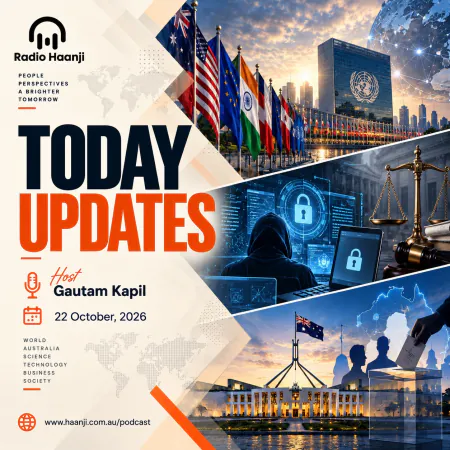
Listen Free — Today Updates on Radio Haanji
Catch every episode of Today Updates for free on your favorite platform:
Radio Haanji 1674 AM is Austalia's Punjabi community radio station.
Listen free at haanji.com.au | Spotify | Apple Podcasts | iOS App | Android App
Serving the Punjabi community in Australia, Canada, Singapore and world wide.
What's Your Reaction?