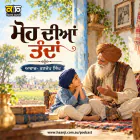







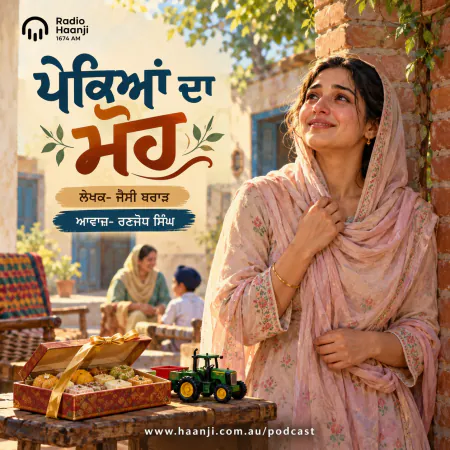

























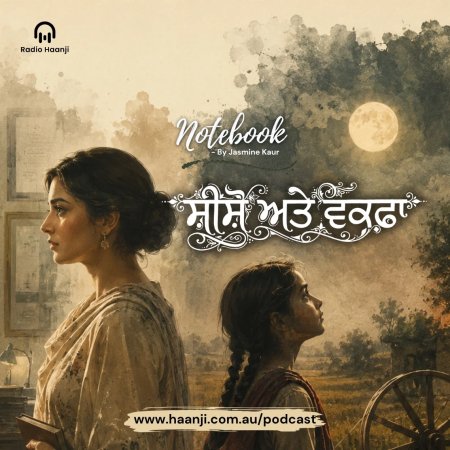






































ਜਾਣੋ ਕਿਉਂ ਇੱਕ ਅਫ਼ਸਰ ਪਰਿਵਾਰ ਨੇ ਵਿਆਹ ਤੋਂ 20 ਦਿਨ ਪਹਿਲਾਂ ਰਿਸ਼ਤਾ ਤੋੜ ਦਿੱਤਾ। ਰੇਡੀਓ ਹਾਂਜੀ ਦੀ ਇਹ ਪੰਜਾਬੀ ਆਡੀਓ ਕਹਾਣੀ 'ਪਰਵਰਿਸ਼' ਅੱਜ ਦੇ ਮਾਪਿਆਂ ਲਈ ਇੱਕ ਵੱਡਾ ਸਬਕ ਹੈ।
ਪਰਵਰਿਸ਼ ਸਿਰਫ਼ ਇੱਕ ਸ਼ਬਦ ਨਹੀਂ, ਸਗੋਂ ਇੱਕ ਬੱਚੇ ਦੇ ਚਰਿੱਤਰ ਦੀ ਨੀਂਹ ਹੁੰਦੀ ਹੈ। ਰੇਡੀਓ ਹਾਂਜੀ ਦੀ ਵਿਸ਼ੇਸ਼ ਸੀਰੀਜ਼ 'ਕਿਤਾਬ ਕਹਾਣੀ' ਵਿੱਚ ਅੱਜ ਦੀ ਪੇਸ਼ਕਾਰੀ ਇੱਕ ਅਜਿਹੀ ਭਾਵੁਕ ਅਤੇ ਸਿੱਖਿਆਦਾਇਕ ਕਹਾਣੀ ਹੈ, ਜੋ ਸਾਨੂੰ ਸਾਡੇ ਬੱਚਿਆਂ ਨੂੰ ਦਿੱਤੇ ਜਾ ਰਹੇ ਸੰਸਕਾਰਾਂ ਬਾਰੇ ਮੁੜ ਸੋਚਣ ਲਈ ਮਜਬੂਰ ਕਰਦੀ ਹੈ।
ਕਹਾਣੀ ਦੀ ਝਲਕ (Preview)
ਵਿਆਹ ਦੇ ਕਾਰਡ ਛਪ ਚੁੱਕੇ ਸਨ, ਘਰ ਵਿੱਚ ਖੁਸ਼ੀਆਂ ਦਾ ਮਾਹੌਲ ਸੀ, ਪਰ ਇੱਕ ਫ਼ੋਨ ਕਾਲ ਨੇ ਸਭ ਕੁਝ ਬਦਲ ਦਿੱਤਾ। ਇੱਕ ਅਫ਼ਸਰ ਪਰਿਵਾਰ, ਜਿਨ੍ਹਾਂ ਨੇ ਦਾਜ ਲੈਣ ਤੋਂ ਸਾਫ਼ ਮਨਾ ਕੀਤਾ ਸੀ, ਉਨ੍ਹਾਂ ਨੇ ਐਨ ਮੌਕੇ 'ਤੇ ਰਿਸ਼ਤਾ ਕਿਉਂ ਤੋੜਿਆ? ਵਜ੍ਹਾ ਅਜਿਹੀ ਸੀ ਜਿਸ ਨੇ ਗੁਰਨਾਮ ਸਿੰਘ ਦੇ ਪੈਰਾਂ ਹੇਠੋਂ ਜ਼ਮੀਨ ਖਿਸਕਾ ਦਿੱਤੀ। ਧਾਲੀਵਾਲ ਸਾਹਿਬ ਨੇ ਕਿਹਾ, "ਸਾਨੂੰ ਸਜਾਵਟੀ ਗੁੱਡੀ ਨਹੀਂ, ਸਗੋਂ ਪਰਿਵਾਰ ਨੂੰ ਜੋੜਨ ਵਾਲੀ ਨੂੰਹ ਚਾਹੀਦੀ ਹੈ।"
ਅੱਜ ਦੇ ਦੌਰ ਵਿੱਚ 'ਪਰਵਰਿਸ਼' ਦੀ ਅਹਿਮੀਅਤ
ਅੱਜ ਦੇ ਮਾਪੇ, ਖਾਸ ਕਰਕੇ ਵਿਦੇਸ਼ਾਂ (Australia, Canada, Singapore) ਵਿੱਚ ਰਹਿੰਦੇ ਪੰਜਾਬੀ ਪਰਿਵਾਰ, ਆਪਣੀਆਂ ਧੀਆਂ-ਪੁੱਤਾਂ ਨੂੰ ਹਰ ਸੁੱਖ-ਸਹੂਲਤ ਦੇਣਾ ਚਾਹੁੰਦੇ ਹਨ। ਅਸੀਂ ਉਨ੍ਹਾਂ ਨੂੰ ਵੱਡੀਆਂ ਡਿਗਰੀਆਂ ਦਿਵਾਉਂਦੇ ਹਾਂ, ਪਰ ਕੀ ਅਸੀਂ ਉਨ੍ਹਾਂ ਨੂੰ ਦੂਜਿਆਂ ਦਾ ਦਰਦ ਮਹਿਸੂਸ ਕਰਨਾ ਸਿਖਾ ਰਹੇ ਹਾਂ? ਕਹਾਣੀ ਵਿੱਚ ਦਰਸਾਇਆ ਗਿਆ ਹੈ ਕਿ ਜੇਕਰ ਇੱਕ ਧੀ ਆਪਣੀ ਮਾਂ ਦੇ ਪਸੀਨੇ ਅਤੇ ਥਕਾਵਟ ਨੂੰ ਨਹੀਂ ਸਮਝ ਸਕਦੀ, ਤਾਂ ਉਹ ਕੱਲ੍ਹ ਨੂੰ ਕਿਸੇ ਹੋਰ ਘਰ ਦੀ ਜ਼ਿੰਮੇਵਾਰੀ ਕਿਵੇਂ ਚੁੱਕੇਗੀ।
ਆਤਮ-ਨਿਰਭਰਤਾ ਅਤੇ ਸੰਸਕਾਰ
ਕਿਸੇ ਨੂੰ ਕੰਮ ਸਿਖਾਉਣਾ ਉਸ ਨੂੰ ਨੌਕਰ ਬਣਾਉਣਾ ਨਹੀਂ, ਸਗੋਂ ਆਤਮ-ਨਿਰਭਰ (Self-reliant) ਬਣਾਉਣਾ ਹੈ। ਪਿਆਰ ਦੀ ਆੜ ਵਿੱਚ ਬੱਚਿਆਂ ਨੂੰ ਅਪਾਹਜ ਬਣਾ ਦੇਣਾ ਉਨ੍ਹਾਂ ਦੇ ਭਵਿੱਖ ਲਈ ਖ਼ਤਰਨਾਕ ਸਾਬਤ ਹੋ ਸਕਦਾ ਹੈ। ਇਹ ਕਹਾਣੀ ਸਾਨੂੰ ਸਿਖਾਉਂਦੀ ਹੈ ਕਿ ਸੰਸਕਾਰਾਂ ਤੋਂ ਬਿਨਾਂ ਪੜ੍ਹਾਈ ਅਧੂਰੀ ਹੈ।
What would it feel like if your daughter's wedding — fully planned, cards printed, both families buzzing with excitement — was called off just 20 days before the date? Not because of finances. Not because of family rivalry. But because of something a father quietly observed every time he visited your home.
This week's Kitaab Kahani on Radio Haanji hits differently. Narrated by Ranjodh Singh, this Punjabi audio kahani called Parvarish (Upbringing) is the kind of story that makes parents sit up straight — not out of guilt, but out of honest reflection.
Explore more Punjabi audio stories → https://haanji.com.au/podcast/kitab-kahani
What Is Parvarish — and Why This Story Matters
Parvarish literally means upbringing. How we raise our children. The values we pour into them — or quietly forget to.
In today's Punjabi diaspora homes across Melbourne, Sydney, Singapore, and beyond, parents are doing everything right on paper. Good schools. University degrees. Clothes, comfort, celebrations. Daughters are being raised with the same love and ambition as sons — and that is genuinely wonderful.
But this Punjabi motivational kahani asks a harder question: Are we raising children, or are we raising personalities?Are we building humans who feel the weight of others around them — or are we building beautifully dressed, well-educated individuals who have simply never been asked to notice?
The Story: A Wedding That Never Happened
The tale opens in celebration. Gurnam Singh's only daughter is about to be married. Cards are printed. Both families are glowing. The groom's family is respected, well-off, and — remarkably — they had refused to ask for any dowry. Gurnam Singh felt like he had won the lottery.
Then, twenty days before the wedding, one phone call changed everything.
It was Dhaliwaal Sahib — the groom's father — on the other end. His voice was serious but respectful. "Gurnam Singh ji, maafi karna. We cannot take this relationship forward."
Gurnam Singh's legs went weak. What mistake did we make? What did we miss?
What followed was one of the most quietly devastating pieces of parenting feedback any father could receive.
What Dhaliwaal Sahib Actually Saw
Over two months of visits — announced and unannounced — Dhaliwaal Sahib had been watching. Not the daughter's marks or her looks. He was watching something quieter and more revealing.
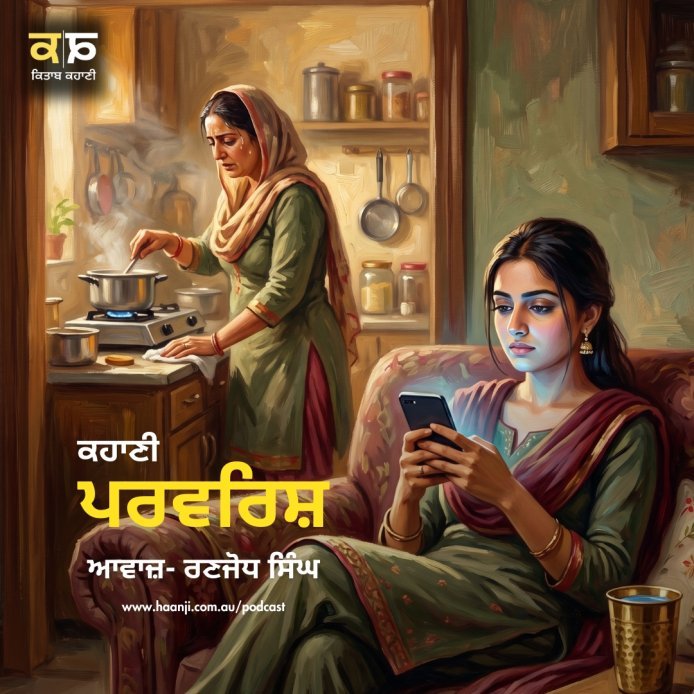
Every single time he visited, he saw Gurnam Singh's wife — Bhain ji — rushing around the house, drenched in sweat. Kitchen, cleaning, laundry, glasses for guests. Endless, quiet labour.
And every time, the daughter — Rani — was on the sofa. Phone in hand. Comfortable. On one occasion she even called out to her mother, mid-scroll, asking for a glass of water. When it was brought, the empty glass stayed right there beside her. Nobody came to collect it. Nobody felt the need to.
Dhaliwaal Sahib did not say this in anger. He said it with sorrow.
"Mujhe mere ghar ke liye ek sajjaavati guddi nahi chahidi." I don't want a decorative doll for my home. I want someone who can understand pain — who can see when someone is exhausted and reach out a hand.
His logic was simple and unshakeable: if a daughter cannot see her own mother's tiredness, she will not see her mother-in-law's tiredness. The hands that never helped at home will not carry responsibility in someone else's home either.
The Lesson Parvarish Leaves Behind
At the end of the story, Gurnam Singh is left with a thought that many parents may share after listening:
"Padha liya, laad-dulaar bhi kita — par shayad ek achha insaan banana bhool gaye."
We educated her. We loved her deeply. But perhaps we forgot to make her a good human being.
This is the heart of the Punjabi motivational audio kahani — not blame, but a mirror. The story does not attack daughters or mothers-in-law. It speaks to all of us who raise children in comfort and forget that empathy is not inherited; it is taught.
A few things this story asks every parent to think about:
- Pampering is not the same as preparing. Love that removes every struggle also removes resilience.
- Teach children to notice. When someone around them is carrying a heavy load, they should feel it — not scroll past it.
- Home skills are not gender duties — they are life skills. Cooking, cleaning, awareness of shared space: these are tools for independence, not symbols of servitude.
- Correction at home is kindness. If children are never gently corrected, the first correction they receive from the outside world will feel like an insult.
The story also reflects on something broader: behind many elderly parents ending up in care homes, there is not just a son's choice — there is often a daughter-in-law's indifference, rooted in a childhood where empathy was never cultivated.
Frequently Asked Questions
What is the Kitaab Kahani podcast on Radio Haanji?
Kitaab Kahani is Radio Haanji's daily Punjabi audio story series, broadcast on 1674 AM and available free on Spotify, Apple Podcasts, and the Radio Haanji app. Each weekday morning, narrator Ranjodh Singh brings a new Punjabi short story — emotional, motivational, or reflective — to listeners across Australia, Singapore, and worldwide.
What is the Punjabi audio kahani Parvarish about?
Parvarish is a Punjabi motivational story about a daughter's wedding being cancelled by the groom's family just 20 days before the event. The reason: the groom's father noticed the daughter showed no empathy toward her mother's labour at home. The story's message is that education and love alone are not enough — children must be raised with compassion, self-reliance, and an awareness of those around them.
What does the word "Parvarish" mean in Punjabi?
Parvarish (ਪਰਵਰਿਸ਼) is a Punjabi and Urdu word meaning upbringing or the way a child is raised. It encompasses the values, habits, and character instilled in a child by their parents and family environment during their formative years.
Where can I listen to Punjabi audio stories online for free?
You can listen to free Punjabi audio kahaniyan on the Radio Haanji podcast — available on Spotify, Apple Podcasts, and the Radio Haanji app on iOS and Android. New Kitaab Kahani episodes are released every weekday morning. You can also stream all episodes at haanji.com.au.
Why do Punjabi motivational stories matter for the diaspora?
For Punjabi families settled in Australia, Singapore, Canada, and beyond, Punjabi motivational stories like those on Kitaab Kahani offer a rare connection to values, language, and community wisdom. They open conversations between generations about relationships, responsibilities, and what it means to belong — in a language that carries the warmth of home.
Conclusion
Parvarish is not a story about a wedding. It is a story about what we quietly build — or fail to build — inside our children over years of love.
Ranjodh Singh's narration on this Kitaab Kahani episode carries the weight of this message with warmth and honesty. It is the kind of Punjabi audio kahani that stays with you through the day, and perhaps finds its way into a quiet conversation with your own family by evening.
If this story moved you, share it with someone who needs to hear it.
Listen to Parvarish on Kitaab Kahani with Ranjodh Singh — only on Radio Haanji.
Listen free:
Radio Haanji 1674 AM is Austalia's Punjabi community radio station.
Listen free at haanji.com.au | Spotify | Apple Podcasts | iOS App | Android App
Serving the Punjabi community in Australia, Canada, Singapore and world wide.
What's Your Reaction?