



















































































Israel-USA-Iran War 2026: Complete Analysis of Background, Crisis & Impact
Comprehensive analysis of Israel-USA-Iran conflict Feb 2026. Background, nuclear program, Khamenei death, global oil crisis, world war 3 risks.
Israel-USA-Iran War 2026: Understanding the Crisis That Could Reshape the World
SITUATION UPDATE: The Middle East is engulfed in the most dangerous military confrontation in decades. Since February 28, 2026, the United States and Israel have been conducting joint military operations against Iran in what they're calling "Operation Epic Fury" and "Operation Roaring Lion"—coordinated strikes that have killed Iran's Supreme Leader Ali Khamenei, destroyed nuclear facilities across five Iranian cities, and triggered massive retaliatory attacks throughout the region.
Iran has responded by closing the Strait of Hormuz—blocking 21% of the world's oil supply—launching hundreds of missiles at US military bases and Israeli cities, and striking civilian targets across the Gulf states. Oil prices have surged past $110 per barrel. Global airlines have suspended flights throughout the Middle East. Six American service members are confirmed dead. The death toll in Iran exceeds 555, including 180 schoolgirls killed when missiles struck a school in Tehran.
As markets reel and world leaders issue urgent statements, one question dominates global discourse: Could this escalate into World War III?
This comprehensive analysis examines the historical roots of this conflict, the nuclear program that sparked it, the current military situation, and the potential global consequences of a war that could reshape international relations for generations.
What's Happening Right Now: The February 2026 Conflict
The Strikes Begin: February 28, 2026
At approximately 3:00 AM local time on February 28, 2026, American B-2 Spirit stealth bombers and Israeli F-35 fighter jets launched coordinated strikes on targets across Iran. The operation targeted five major cities: Tehran, Isfahan, Qom, Karaj, and Kermanshah.
Primary Targets:
- Nuclear facilities: Natanz underground enrichment plant, Fordow bunker, Isfahan conversion facility
- Military command: IRGC headquarters, defense ministry, military bases
- Leadership: Supreme Leader Ali Khamenei's compound in Tehran (Khamenei was killed), senior IRGC commanders, nuclear scientists
- Missile production: Factories producing ballistic missiles and drones
Iran's Supreme Leader Killed
The most significant development was the death of Ayatollah Ali Khamenei, Iran's Supreme Leader since 1989. His compound was destroyed in the initial strikes. This represents the most dramatic assassination of a world leader since Muammar Gaddafi in 2011.
Khamenei, 84, had ruled Iran for 35 years. His death creates a power vacuum at the worst possible time for Iran, with the IRGC leadership also decimated and the country under massive military assault.
Trump's Justification
President Donald Trump, in a Truth Social post on February 28, stated the goals of the operation:
"Iran posed a threat to core national security interests of the US. We are preventing Iran from obtaining a nuclear weapon and defending the American people by eliminating imminent threats from the Iranian regime. When we are finished, take over your government. It will be yours to take. This will be probably your only chance for generations."
Trump urged Iranians to rise up against their government, signaling that regime change—not just nuclear disarmament—is the objective.
Iran's Retaliation: Operation True Promise IV
Iran's response has been more extensive than any previous conflict:
- Closure of Strait of Hormuz: Blocking 20% of global oil shipments
- Missile strikes on US bases: Attacks on American facilities in Jordan, Kuwait, Bahrain, Qatar, Iraq, Saudi Arabia, UAE (6 US service members killed, 18 injured)
- Strikes on Israeli cities: Hundreds of ballistic missiles and drones targeting Tel Aviv, Jerusalem, Haifa
- Attacks on Gulf states: Civilian airports and ports in Kuwait, UAE, Oman struck (165 ballistic missiles, 2 cruise missiles, 541 drones intercepted by UAE alone)
- Hezbollah activation: Missile attacks from Lebanon on northern Israel
- British base struck: Akrotiri and Dhekelia in Cyprus hit
Global Disruption
Oil Crisis: US crude prices surged 6%, gasoline futures jumped 9.1% to $2.496 per gallon. Analysts predict gas prices could rise 25 cents per gallon for every $10 increase in oil prices.
Aviation Chaos: Emirates, Etihad, Qatar Airways suspended all flights. Dubai, Abu Dhabi, and Doha airports closed. Millions of passengers stranded globally.
Regional Panic: China urged its citizens in Iran to evacuate immediately. US authorized non-essential staff to leave Israel.
The Long Road to War: Historical Background
Decades of Proxy Conflict (1979-2023)
The current crisis is the culmination of nearly 45 years of hostility that began with Iran's 1979 Islamic Revolution, when militants seized the US Embassy in Tehran and held 52 Americans hostage for 444 days.
Since then, the US and Iran have never had diplomatic relations. Their conflict has been waged through proxies:
- Iran's "Axis of Resistance": Hezbollah in Lebanon, Hamas in Gaza, Houthis in Yemen, militia groups in Iraq and Syria
- US allies: Israel, Saudi Arabia, Gulf states
For decades, this remained a "shadow war" where Iran and its adversaries never directly attacked each other's territory. That changed in 2024.
The Turning Point: October 7, 2023
The outbreak of war between Israel and Hamas on October 7, 2023, set off a chain reaction:
October 2023-2024: Iran-backed groups ramped up attacks. Houthis struck shipping in the Red Sea. Hezbollah fired rockets from Lebanon. Iranian militias attacked over 200 US and Israeli targets in Iraq and Syria.
April 2024: Israel bombed Iran's consulate in Damascus, Syria, killing senior IRGC officials. In retaliation, Iran launched its first-ever direct attack on Israeli territory—180 ballistic missiles.
October 2024: Israel struck back, destroying Iran's Russian-supplied S-300 air defense systems, leaving Iran vulnerable to future attacks.
September 2024: Israel assassinated Hamas leader Ismail Haniyeh in Tehran and Hezbollah leader Hassan Nasrallah in Beirut, crippling Iran's proxy network.
The Twelve-Day War (June 13-24, 2025)
The first major Israel-Iran war occurred in June 2025:
- June 13: Israel launched surprise attacks on Iranian nuclear and military facilities
- June 15: Iran retaliated with over 550 ballistic missiles and 1,000 suicide drones
- June 22: The US joined the war, bombing three Iranian nuclear sites with massive bunker-buster bombs
- June 24: Ceasefire declared under US pressure
The war demonstrated Israel's military superiority and Iran's vulnerability, but it left Iran's nuclear program damaged, not destroyed.
The Nuclear Question: Why Iran's Program Matters
Iran's Nuclear Timeline
Understanding the current conflict requires understanding Iran's nuclear ambitions:
1968: Iran signed the Nuclear Non-Proliferation Treaty (NPT), pledging not to develop nuclear weapons.
1970s: Under the Shah (US ally), Iran began a civilian nuclear program with American and European help, planning 20 nuclear power reactors.
1979: Islamic Revolution halted the program; Western assistance ended.
1980s-1990s: Iran secretly restarted nuclear work, including uranium enrichment—the process that can produce both nuclear fuel and weapons.
2002: Opposition groups revealed secret underground facilities at Natanz and Arak. The world learned Iran had been secretly enriching uranium for years.
2006-2010: International sanctions imposed. Iran developed ability to enrich uranium to 20% (medical grade)—90% of the technical effort needed for weapons-grade 90% enrichment.
2010: The Stuxnet computer worm (widely believed to be US-Israeli cyberattack) destroyed ~1,000 centrifuges at Natanz.
The JCPOA: The Deal That Failed
In July 2015, Iran and six world powers (US, UK, France, Germany, Russia, China plus EU) signed the Joint Comprehensive Plan of Action (JCPOA)—the "Iran Nuclear Deal."
What Iran gave up:
- Reduced enriched uranium stockpile by 97% (from enough for 8-10 bombs to almost none)
- Reduced centrifuges from 20,000 to 6,104
- Limited uranium enrichment to 3.67% (civilian power levels)
- Disabled the Arak heavy water reactor (plutonium path to bomb)
- Accepted unprecedented IAEA inspections
What Iran got: Lifting of crippling economic sanctions, unfreezing of over $100 billion in assets.
The Controversy: Critics, including Donald Trump and Israeli Prime Minister Benjamin Netanyahu, argued the deal had fatal flaws:
- "Sunset clauses" allowed restrictions to expire after 10-15 years
- Didn't address Iran's ballistic missile program
- Didn't stop Iran's support for militant groups
- Gave Iran billions to fund regional activities
Trump Withdraws: May 2018
On May 8, 2018, President Trump unilaterally withdrew the US from the JCPOA, calling it "the worst deal ever negotiated." He reimposed sanctions under a "maximum pressure" campaign.
The other signatories (Europe, Russia, China) tried to keep the deal alive without the US, but American sanctions were so severe that European companies couldn't do business with Iran without facing US penalties.
Iran Breaks Out: 2019-2025
Without sanctions relief, Iran systematically violated the JCPOA:
July 2019: Exceeded 300kg uranium stockpile limit and 3.67% enrichment limit
January 2020: After US assassinated Iranian General Qasem Soleimani, Iran announced it would ignore all JCPOA limits
2021-2024: Iran enriched uranium to 60%—just below weapons-grade 90%. Accumulated enough material for 9 nuclear weapons.
February 2025: Iran suspended cooperation with IAEA inspectors, hiding enriched uranium in underground facilities
May 2025: IAEA reported Iran had 408.6 kg of uranium enriched to 60%—enough for multiple weapons
How Close is Iran to a Bomb?
As of February 2026, according to intelligence assessments:
- Fissile material: Iran has enough enriched uranium for 9 nuclear warheads
- Breakout time: Iran could produce enough weapons-grade uranium for one bomb in 1-2 weeks if it chose to do so
- Weaponization: Building an actual deliverable nuclear weapon would take 1-2 years (designing warhead, testing, miniaturizing for missiles)
- Delivery systems: Iran has ballistic missiles capable of reaching Israel, Europe, and US bases; reaching the US mainland would take another decade
Intelligence agencies believe Iran was exploring a crude "gun-type" fission weapon that could be built in months, though not deliverable by missile.
The US Role: From Sanctions to Strikes
Trump's Return and Maximum Pressure 2.0
When Donald Trump returned to office in January 2025, he immediately restored his "maximum pressure" campaign against Iran:
- Reinstituted all sanctions
- Targeted Iranian oil exports
- Sanctioned Iranian banks and officials
- Threatened secondary sanctions on countries trading with Iran
Simultaneously, Trump initiated direct US-Iran negotiations on the nuclear program—the first such talks since he withdrew from the JCPOA in 2018.
The Diplomacy That Failed
Despite months of talks mediated in Geneva, Switzerland, no agreement was reached:
Iran's position: Right to peaceful nuclear technology, sanctions must be lifted first, no limits on regional activities
US position: Permanent nuclear restrictions, missile program limits, end support for militant groups
Israel's position: Complete dismantlement of nuclear program, zero enrichment, zero tolerance for Iranian nuclear capability
Israel fiercely opposed the negotiations, fearing any deal would leave Iran with nuclear knowledge and infrastructure.
On February 25, 2026, Iranian Foreign Minister Abbas Araghchi said a "historic agreement" with the US was "within reach." Two days later, the strikes began.
Why Did Negotiations Fail?
Multiple factors doomed diplomacy:
- Iranian protests: Massive protests in January 2026 (thousands killed by security forces) weakened the regime's negotiating position
- IAEA discovery: On February 27, inspectors found Iran had hidden highly enriched uranium in undisclosed underground facilities
- Israeli pressure: Netanyahu publicly opposed negotiations, threatening unilateral action
- Trump's deadline: The White House gave Iran until mid-February to secure a deal; that deadline passed
- Intelligence assessments: CIA believed Iran's underground bunkers would become "immune" to attack within months
The Decision to Strike
According to leaked accounts, the final decision was made in a February 26 meeting at the White House involving:
- President Trump
- Defense Secretary
- Secretary of State
- Israeli Prime Minister Netanyahu (via secure video)
- Joint Chiefs of Staff
- Gang of Eight (Congressional leaders briefed on classified intelligence)
The justification presented: Iran was weeks away from achieving an "immune" nuclear capacity in underground facilities that even the largest US bunker-buster bombs couldn't destroy.
Netanyahu told Trump: "Now or never."
On February 28 at 3:00 AM local time, the strikes began.
How This War Could Affect the World
1. Energy Crisis and Economic Shockwaves
The Strait of Hormuz Crisis:
Iran's closure of the Strait of Hormuz is perhaps the most strategically significant action. This 21-mile-wide waterway is the world's most important oil chokepoint:
- 21% of global petroleum passes through it
- 35% of seaborne oil trade
- Oil from Saudi Arabia, UAE, Kuwait, Iraq, Iran—all blocked
Immediate Economic Impact:
- Oil prices: +6% and rising (could hit $120-150/barrel)
- Gasoline prices: Expected to rise $0.25-$0.75 per gallon
- Natural gas: Significant disruption to LNG shipments
- Inflation: Energy costs feeding into all sectors
- Stock markets: Global volatility, potential recession triggers
Second-Order Effects:
- Cruise lines: Norwegian Cruise Line hedged only 51% of 2026 fuel costs
- Airlines: Already suspended flights; jet fuel prices surging
- Shipping: Global supply chains disrupted
- Manufacturing: Input cost increases across industries
2. Regional Spillover and Multi-Front War
The conflict is already expanding beyond Iran-Israel-US:
Lebanon: Hezbollah has resumed missile attacks on Israel despite 2024 ceasefire. Israel responding with massive strikes on Beirut and southern Lebanon.
Syria: Iranian-backed militias launching attacks; Israel striking Iranian positions
Iraq: US bases under attack; pro-Iranian militias active
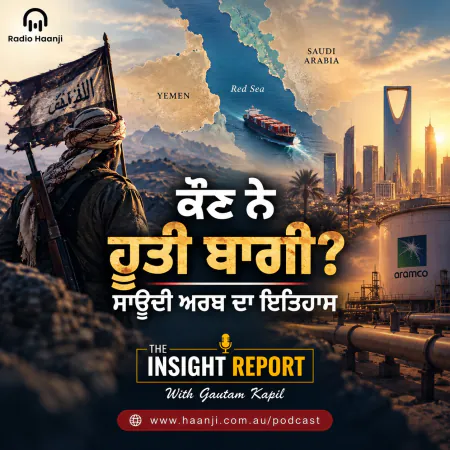
Yemen: Houthis firing on shipping and attacking Saudi targets
Gaza: Hamas condemned strikes but hasn't resumed fighting (too weakened)
Gulf States: UAE, Saudi Arabia, Kuwait, Bahrain all struck by Iranian missiles—unprecedented attack on nations that have been seeking détente with Iran
3. Nuclear Proliferation Risks
The Saudi Question: If Iran's nuclear program is destroyed, crisis ends. But if Iran survives with nuclear capability intact, Saudi Arabia has publicly stated it will pursue its own nuclear weapons.
Regional Nuclear Cascade: Egypt, Turkey, and UAE might follow suit. The Middle East could see multiple nuclear powers emerge—massively increasing risks of nuclear war.
North Korea Connection: Iran and North Korea have cooperated on missile technology. Any Israeli-US technical advances in destroying underground facilities could be studied for application to North Korea.
4. Humanitarian Catastrophe
Civilian Casualties:
- 555+ dead in Iran (as of March 3), including 180 schoolgirls killed when a school was struck
- Thousands wounded
- Massive displacement in Tehran, Isfahan, other targeted cities
- Lebanese civilians fleeing southern Lebanon again
Refugee Crisis Potential: If Iran descends into chaos or civil war, millions could flee to neighboring countries and Europe, dwarfing the 2015 Syrian refugee crisis.
Medical Infrastructure Collapse: Iranian hospitals overwhelmed; sanctions limit medical supplies
5. World War III Scenarios
Russia's Role: Russia has military cooperation agreements with Iran and operates bases in Syria. If Russian forces are killed in strikes, does Russia respond? Putin has already condemned the US-Israeli operation.
China's Position: China is Iran's largest trading partner and has strategic interests in Middle East oil. China declared the JCPOA "terminated" and condemned the strikes. Could this lead to broader US-China confrontation?
Pakistan's Dilemma: Pakistan, the only Muslim-majority nuclear power, faces pressure from its population to support Iran. Any Pakistani involvement risks India's strategic calculations.
NATO Article 5: If Iran strikes a NATO member (Turkey is geographically close and culturally connected to Iran), would NATO invoke collective defense?
6. Cyber Warfare
Iran has sophisticated cyber capabilities developed over decades. Potential targets:
- US critical infrastructure (power grids, water systems, financial networks)
- Israeli infrastructure
- Gulf state oil facilities
- Global internet disruption
The 2010 Stuxnet attack showed how cyber weapons can damage physical infrastructure. Iran could retaliate in kind.
The Human Toll: Beyond Statistics
While strategic analysis focuses on geopolitical calculations and military capabilities, the human cost of this conflict demands recognition:
American service members: Six US military personnel killed in Iranian retaliatory strikes—young men and women serving their country, now casualties of a war that may be only beginning.
Iranian civilians: 180 schoolgirls killed in a single strike on a girls' school in Tehran. Families torn apart. Wedding celebrations turned to funerals.
Israeli families: Living in bomb shelters as Iranian missiles rain down on Tel Aviv and Haifa.
Gulf state expatriates: Millions of Indian, Pakistani, Bangladeshi, Filipino workers in UAE, Saudi Arabia, Kuwait now trapped in a war zone, desperate to return home.
Stranded travelers: Hundreds of thousands of passengers stranded globally as Middle East aviation hubs shut down.
Could This Have Been Prevented?
This question will haunt historians for generations. Several critical junctures where different decisions might have changed outcomes:
2018: If Trump hadn't withdrawn from the JCPOA, Iran might still be constrained by the deal.
2020: If the US hadn't assassinated Qasem Soleimani, Iran might not have accelerated its nuclear program.
2023: If the October 7 Hamas attack hadn't occurred, the proxy conflict might not have escalated.
2024: If Israel hadn't destroyed Iran's air defenses in October, Iran might be better defended today.
February 2026: If negotiations had succeeded, or if the US had given diplomacy more time, war might have been avoided.
But hindsight is clarity history doesn't afford to decision-makers in real-time.
What Happens Next: Possible Scenarios
Scenario 1: Quick Victory and Regime Change (US/Israel Hope)
Trump has stated the operation will take "one month or less" and proclaimed "we're knocking the crap out of them."
This scenario requires:
- Iranian people rising up against the regime
- IRGC fracturing without Khamenei's leadership
- Military unwilling to defend the government
- Swift installation of friendly government
- Strait of Hormuz reopened
Likelihood: Low. Regime change is historically difficult, and Iranians may unite against foreign attack regardless of their feelings about the government.
Scenario 2: Prolonged Conflict and Regional War
Iran continues resistance, drawing in allies and proxies across region.
This scenario involves:
- Months or years of strikes and counterstrikes
- Hezbollah opens full war in Lebanon
- Houthis escalate in Yemen and Red Sea
- Iraqi militias target US forces
- Syria becomes active battlefield
- Sustained oil crisis and global recession
Likelihood: Moderate to high.
Scenario 3: Negotiated Ceasefire
International pressure forces parties to negotiating table.
This scenario requires:
- UN Security Council intervention
- Russia/China brokering talks
- Both sides claiming victory
- Face-saving compromise
- Sanctions relief for nuclear constraints
Likelihood: Moderate, especially if casualties and economic pain become unsustainable.
Scenario 4: Nuclear Escalation
The nightmare scenario nobody wants to discuss.
Triggers could include:
- Iran completes a crude nuclear device and detonates for deterrence
- Israel uses tactical nuclear weapon to destroy deep bunker
- Accidental nuclear release during strikes on facilities
- Third party (Pakistan? North Korea?) provides Iran a weapon
Likelihood: Very low, but non-zero—and consequences would be catastrophic.
Analytical Framework: Understanding Complexity
Analyzing this conflict requires moving beyond simplistic narratives and understanding multiple competing perspectives:
The Iranian Perspective: Iran views itself as defending its sovereignty against foreign aggression. From Tehran's standpoint, Iran has the legal right under the Nuclear Non-Proliferation Treaty to peaceful nuclear technology. Western sanctions are seen as illegal economic warfare. The current strikes are viewed as unprovoked attacks on a sovereign nation.
The Israeli Perspective: Israel sees an existential threat in a nuclear-armed Iran whose leaders have repeatedly called for Israel's destruction. From Tel Aviv's standpoint, preventing Iranian nuclear capability is a matter of national survival. Israel points to Iran's proxy network (Hezbollah, Hamas, Houthis) as evidence of hostile intent.
The American Perspective: The US frames its actions as necessary to prevent nuclear proliferation and protect regional allies. Washington argues that diplomatic efforts were exhausted and that Iran was weeks away from nuclear weapons capability. The US emphasizes Iran's support for terrorism and regional destabilization.
The Global South Perspective: Many developing nations view this as another example of Western military intervention in the Middle East. They question the legitimacy of military action without UN Security Council authorization and see double standards in nuclear policy (Israel has undeclared nuclear weapons; Iran is attacked for enrichment).
Critical Analysis Demands:
- Distinguishing between governments and civilian populations
- Understanding historical grievances on all sides
- Recognizing legitimate security concerns alongside violations of international law
- Acknowledging the human cost regardless of political positions
- Evaluating claims and counterclaims with evidence-based scrutiny
This complexity doesn't mean avoiding judgment—it means making informed judgments based on comprehensive understanding rather than reflexive partisan positions.
Global Impact: Who's Affected Beyond the Middle East
While centered in the Middle East, this conflict's ripple effects extend worldwide:
Energy-Dependent Economies: Japan, South Korea, and European nations that rely heavily on Middle Eastern oil face immediate economic pressure. Japan imports 90% of its crude oil, with 80% coming through the Strait of Hormuz.
Expatriate Workers: Over 8 million foreign workers in Gulf states—including millions from India, Pakistan, Bangladesh, Philippines, Nepal, and Sri Lanka—are now in a conflict zone. Many countries have issued evacuation advisories, but logistics are challenging with aviation disrupted.
Global Supply Chains: The Strait of Hormuz isn't just about oil—20% of global liquefied natural gas (LNG) also passes through it. Industries dependent on petrochemicals, plastics, and energy-intensive manufacturing face disruption.
Food Security: Rising oil prices increase transportation costs, affecting food prices globally. Countries already facing food insecurity (parts of Africa, South Asia) could see worsening hunger.
Geopolitical Realignment: Countries must navigate choosing sides or staying neutral, affecting trade relationships, diplomatic ties, and regional alliances for years.
Refugee Pressure: European nations that absorbed Syrian refugees in 2015 fear a new influx if Iran destabilizes. Turkey, already hosting 3.6 million Syrian refugees, could face additional millions from Iran.
Aviation and Trade Routes: Ships are rerouting around Africa instead of through Suez Canal, adding 3,000 miles and 10-14 days to journeys. Airlines avoiding Middle Eastern airspace face longer flights and higher fuel costs.
How to Stay Informed: Credible Sources
This is a rapidly evolving situation. For accurate, up-to-date information, consult these credible sources:
Official Sources:
- UN Security Council statements and resolutions
- IAEA (International Atomic Energy Agency) reports on nuclear developments
- Government statements from involved nations (verify through official channels)
- US Department of State and Defense Department briefings
Reputable News Organizations:
- Reuters and Associated Press (wire services with reporters on ground)
- BBC, Al Jazeera English, The Guardian (multiple perspectives)
- Financial Times, Wall Street Journal (economic impact analysis)
- Regional sources: Haaretz (Israel), Tehran Times (Iran perspective - state-controlled)
Analysis and Think Tanks:
- Council on Foreign Relations (CFR)
- International Crisis Group
- Carnegie Endowment for International Peace
- Brookings Institution Middle East Program
Critical Media Literacy:
- Cross-reference information across multiple sources
- Be aware of editorial bias in all sources
- Distinguish between reporting (facts) and commentary (opinions)
- Verify casualty figures (often contested and revised)
- Question social media claims—misinformation spreads rapidly during conflicts
Conclusion: Understanding an Uncertain Future
The Israel-USA-Iran conflict of February-March 2026 represents one of the most consequential moments in modern history. The assassination of Iran's Supreme Leader, the destruction of nuclear facilities, the closure of the Strait of Hormuz, and the spreading regional war—each individually would constitute a major crisis. Combined, they create conditions of unprecedented danger and unpredictability.
As of March 4, 2026, the outcome remains deeply uncertain. The United States projects swift victory and regime change. Iran vows sustained resistance and revenge. Regional powers calculate their interests. Global markets adjust to a new reality of Middle Eastern instability.
What we know with certainty:
- Thousands are already dead, including civilians on all sides
- Millions more face immediate danger from military strikes and economic collapse
- The global economy is experiencing significant disruption
- The risk of miscalculation leading to wider war is real and present
- Diplomatic resolution, while difficult, remains the only path to sustainable peace
What history teaches:
- Wars begun with promises of swift victory often become prolonged quagmires
- Regime change imposed by external force rarely produces stable democracies
- Regional conflicts have global consequences in an interconnected world
- Civilian populations bear the greatest cost of military decisions made by leaders
- Diplomatic solutions, however imperfect, are preferable to indefinite conflict
The Path Forward:
Understanding this conflict—its historical roots, its nuclear dimensions, its regional complexities, and its global implications—is essential for anyone seeking to comprehend the world we live in. This knowledge enables:
- Informed citizenship: Holding leaders accountable for decisions affecting millions
- Critical thinking: Resisting propaganda and simplistic narratives from all sides
- Empathy: Recognizing the human cost beyond political positions
- Advocacy: Supporting diplomatic solutions and humanitarian assistance
- Preparation: Understanding how global events affect local realities
The decisions made in the coming days and weeks will shape the 21st century. Whether this conflict escalates into a broader war or finds a path to negotiated settlement will depend on leadership, luck, and the willingness of international actors to prioritize peace over victory.
In times of crisis, information is not just power—it's responsibility. Understanding the stakes, the history, and the human cost is the foundation for demanding wisdom from our leaders and compassion for those caught in conflict's path.
The world is watching. The future is being written. And informed global citizens have a role in shaping the outcome through awareness, advocacy, and an unwavering commitment to human dignity above nationalist pride.
This article will be updated as the situation develops. Bookmark this page for ongoing analysis.
Note: This analysis is based on publicly available information as of March 4, 2026. The situation is rapidly evolving. Casualty figures, military developments, and geopolitical dynamics are subject to change.
What's Your Reaction?