

























































































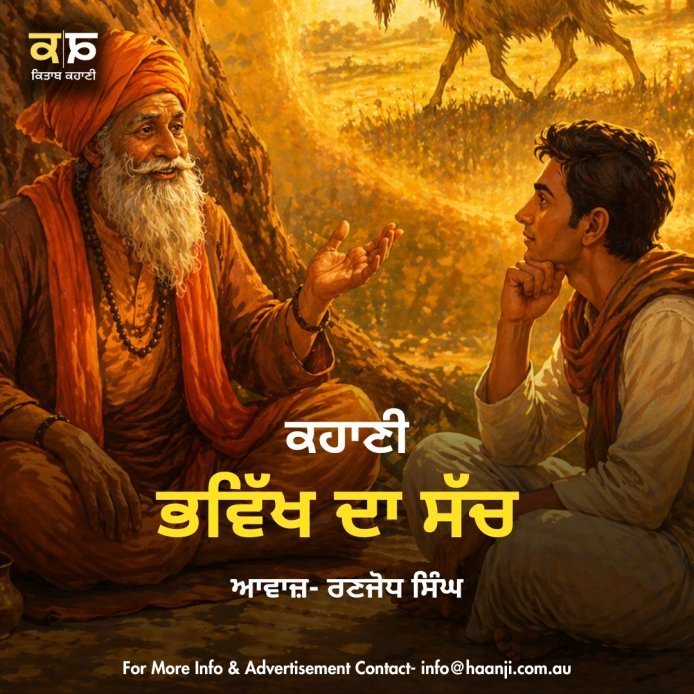

ਰਜ਼ਾ ਵਿੱਚ ਰਹਿਣਾ ਸਿੱਖੋ। A Punjabi spiritual story about embracing destiny and finding peace — listen free on Radio Haanji Kitaab Kahani.
Voice: Ranjodh Singh | Genre: ਅਧਿਆਤਮਿਕ ਕਹਾਣੀ (Spiritual Story) | Format: Punjabi Audio Story | Series: Kitaab Kahani
Can We Ever Truly Know What the Future Holds?
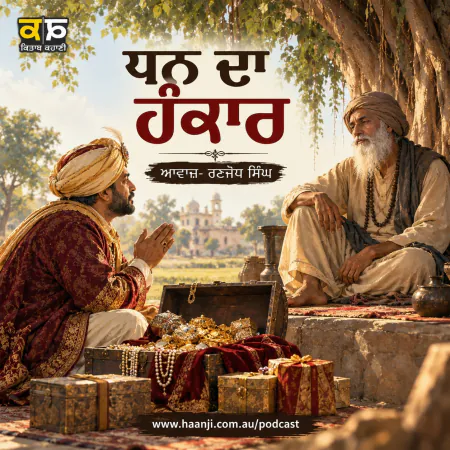
We often spend our lives trying to peek behind the curtain of destiny. Whether through faith or curiosity, the desire to know what lies ahead is a universal human trait. In this episode of Kitaab Kahani, Ranjodh Singh narrates a profound story from the novel "40 Din," involving a young man named Kesar and a wise Fakir. The story explores the irony of foresight and the unexpected joy found in simply living through the moments we once feared, reminding us that our limited perspective often misjudges the divine plan.
About the Story
The narrative begins with Kesar asking the Fakir if it is true that enlightened beings can see the future. In response, the Fakir tells the tale of a man whose intense devotion granted him the power of prophecy. However, this gift soon becomes a burden when he foresees his own rebirth as a pig—a life he views with absolute dread and disgust. Terrified of living in filth, he strikes a deal with his most loyal disciple: as soon as the guru is reborn as a pig, the disciple must kill him to end his misery.
The guru even points out a specific mark on his forehead that will appear in his next life to ensure he is recognized. Time passes, the guru dies, and he is indeed reborn as predicted. But when the disciple eventually tracks down the creature to fulfill his promise, he is met with a shocking revelation. The "misery" the guru once feared has transformed into a strange, unburdened peace that the human mind could never have anticipated.
ਕਹਾਣੀ ਦੀ ਝਲਕ
ਉਦੋਂ ਮੈਨੂੰ ਪਤਾ ਨਹੀਂ ਸੀ ਸੂਰ ਬਣਨ 'ਚ ਕਿੰਨਾ ਅਨੰਦ ਹੈ। ਕੋਈ ਬੰਦਿਸ਼ ਨਹੀਂ ਜ਼ਿੰਦਗੀ ਦੀ, ਕੋਈ ਕਿਸੇ ਕਿਸਮ ਦਾ ਕੋਈ ਕਾਇਦਾ-ਕਾਨੂੰਨ ਨਹੀਂ। ਚਾਹੇ ਮੈਂ ਚਿੱਕੜ ਦੇ ਵਿੱਚ ਆਂ, ਚਾਹੇ ਮੈਂ ਸਾਫ਼-ਸੁਥਰੀ ਜ਼ਮੀਨ ਦੇ ਉੱਤੇ ਆਂ, ਕੋਈ ਚਿੰਤਾ ਹੀ ਨਹੀਂ ਜ਼ਿੰਦਗੀ ਦੀ। ਇੰਨੀ ਹੌਲੀ-ਭਾਰ ਜ਼ਿੰਦਗੀ ਤਾਂ ਮੈਂ ਕਦੇ ਇਨਸਾਨੀ ਜਾਮੇ ਦੇ ਵਿੱਚ ਬਤੀਤ ਹੀ ਨਹੀਂ ਕੀਤੀ।
Listen to the full story on Radio Haanji Kitaab Kahani — free on all platforms.
The Message of the Story
This story offers a sharp critique of how we judge our circumstances based on preconceived notions. For the Punjabi diaspora living in Australia or Singapore, the pressures of daily life—financial goals, family expectations, and the constant hustle—can make the future feel like a looming threat. We often think that if we could just see what’s coming, we would be happier. Yet, the story suggests that even if we knew the future, we wouldn't truly understand the experience of it until we are in it.
The true lesson lies in "Bhaana Manana" or surrendering to the divine will. We waste so much energy worrying about things that haven't happened yet, often labeling future possibilities as "bad" before they even arrive. By shifting our focus from controlling the future to finding gratitude in the present, life becomes significantly lighter. Contentment isn't found in a perfect future; it’s found in accepting that whatever comes is meant for our growth.
About Kitaab Kahani
Kitaab Kahani is Radio Haanji 1674 AM's daily Punjabi audio story series, where stories — motivational, emotional, moral, philosophical and spiritual — come alive through the voice of Radio Haanji's narrators. Every story is chosen for its ability to say something real to the Punjabi community in Australia, Singapore and worldwide. New stories every weekday morning — free on all platforms.
Frequently Asked Questions
What is the central theme of this Kitaab Kahani episode?
The story focuses on the futility of worrying about the future and the importance of divine surrender. It illustrates how our human intellect often misjudges what will bring us peace or misery. By showing a guru who finds joy in a life he once feared, it encourages listeners to trust the natural flow of life.
Who narrates this Punjabi audio story?
This episode is narrated by Ranjodh Singh, a prominent voice on Radio Haanji. His storytelling brings out the philosophical nuances of the dialogue between the Fakir and Kesar. Ranjodh's narration is designed to connect with the Punjabi diaspora, providing a moment of reflection amidst their busy daily schedules in Australia and beyond.
What is the significance of the "40 Din" novel mentioned?
The story is an excerpt from the novel "40 Din," which features recurring characters Kesar and the Fakir. These characters use simple parables to explain complex spiritual and psychological concepts. The novel is well-regarded for its ability to blend traditional wisdom with relatable life questions, making it perfect for an audio story format.
How does this story relate to the Punjabi diaspora experience?
Many Punjabis in Australia and Singapore face immense stress regarding future security and career success. This story serves as a reminder to pause and practice "Shukrana" (gratitude). It suggests that the "heavy-hearted" life of constant planning and worry is often more burdensome than the simple, unscripted reality of living in the present moment.
Listen Now
Listen to today's Kitaab Kahani story free on all platforms:
Radio Haanji 1674 AM is Austalia's Punjabi community radio station.
Listen free at haanji.com.au | Spotify | Apple Podcasts | iOS App | Android App
Serving the Punjabi community in Australia, Canada, Singapore and world wide.
What's Your Reaction?