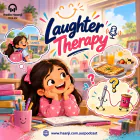












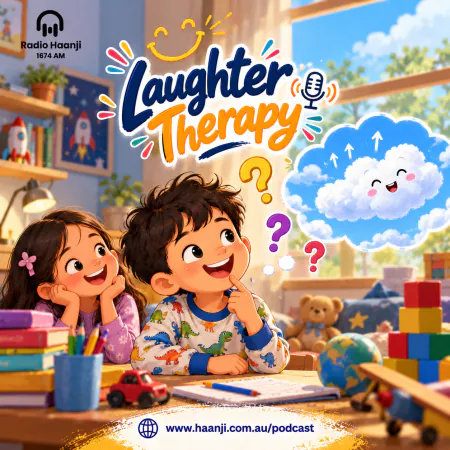

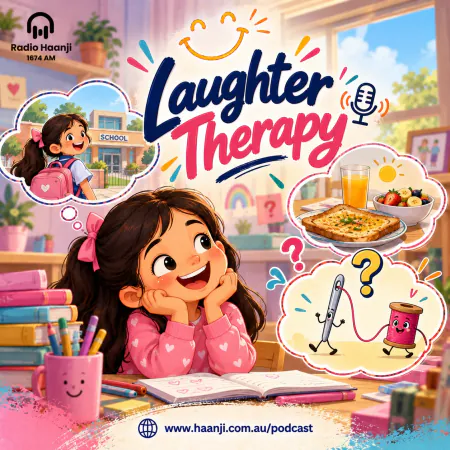








































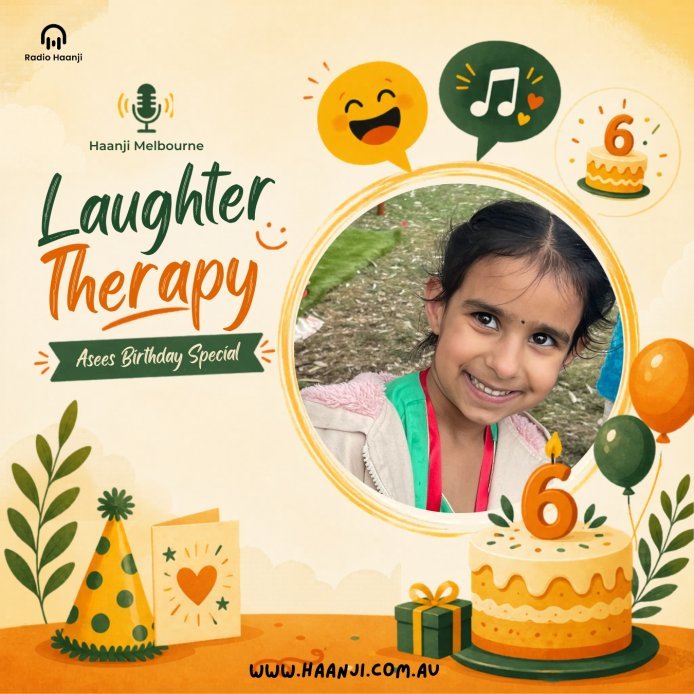
01 May - Laughter Therapy - Asis's Birthday Celebrations with Harmeet Toor & Ranjodh Singh
Host:-
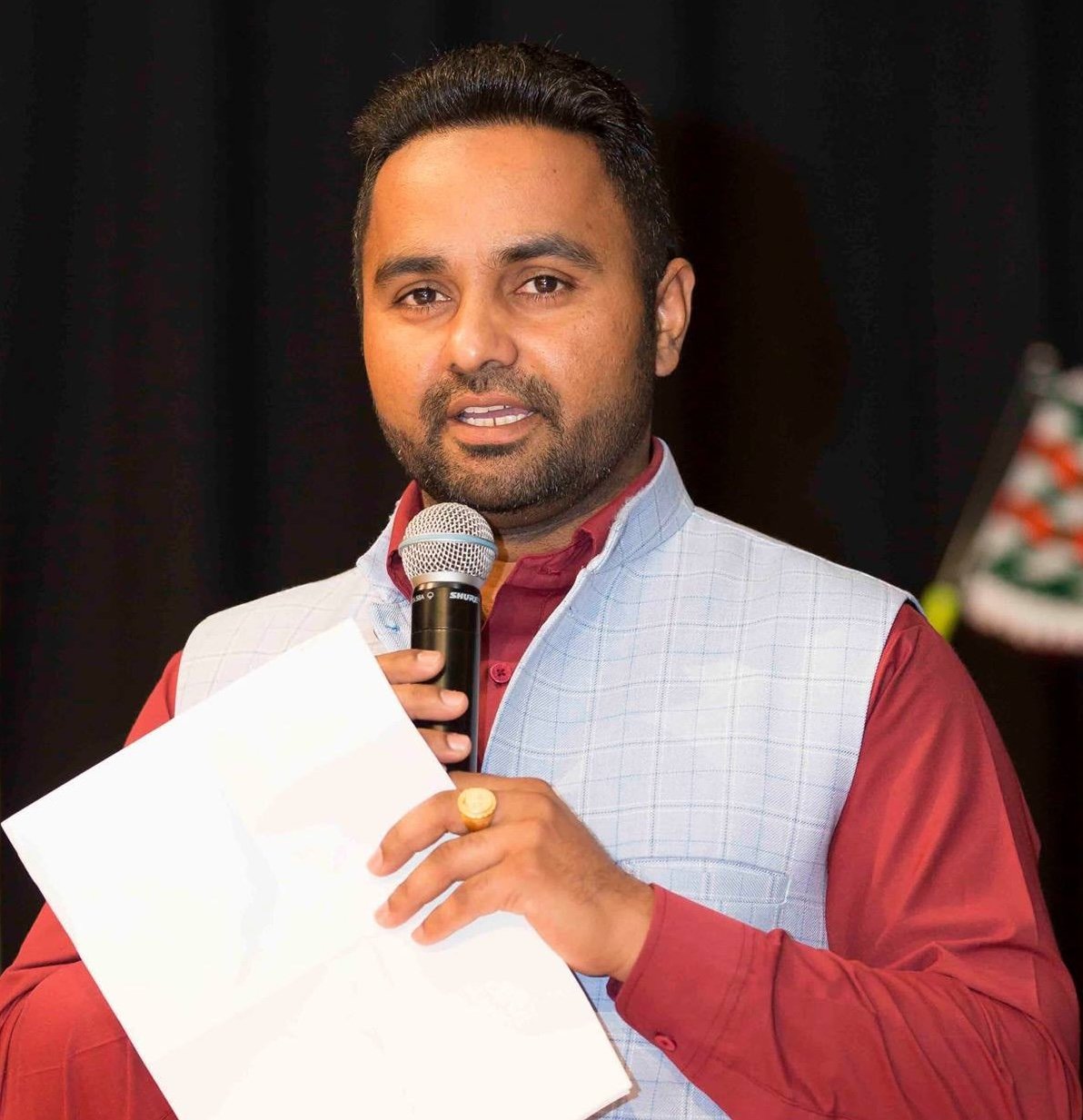 Harmeet Singh Toor
 Ranjodh Singh
Celebrate with Radio Haanji's Laughter Therapy on May 1, 2026 — kids' boliyan, Punjabi jokes, a special guest from Haryana, and a heartwarming 6th birthday for Asis Kaur. Listen now.
Show: Laughter Therapy | Date: May 1, 2026 | Station: Radio Haanji 1674 AM | Listen: haanji.com.au
There are mornings when the world feels heavy — yesterday's arguments, today's worries, the endless scroll of news. And then there are mornings like this one. On May 1, 2026, Radio Haanji's beloved Laughter Therapy segment gave Melbourne and Sydney listeners something rare: a full half-hour where none of that mattered. Just the voices of children, a special guest from Haryana, traditional Punjabi boliyan, and a birthday that made the whole broadcast feel like a family celebration.
What Is Laughter Therapy on Radio Haanji?
Laughter Therapy is one of Radio Haanji 1674 AM's most cherished daily segments — a community programme built on a simple but powerful idea: that laughter heals. The show's philosophy is direct and honest. Whatever stress, whatever anger you carried from yesterday, this segment invites you to set it down, just for a little while, and start your morning with joy. For the Punjabi and Hindi-speaking communities of Melbourne and Sydney, it has become a genuine ritual — a few minutes each morning where culture, humour, and warmth meet across the airwaves.
What makes the segment distinctive is its cast: children. The young callers who join each episode bring with them the kind of laughter that is completely unfiltered — jokes that are a little rough around the edges, riddles delivered with absolute confidence, and boliyan sung with the pride of someone who learned them from a grandmother. On May 1, that formula produced one of the season's most memorable episodes.
Harmeet Toor Joins from Haryana
The episode's special guest was Harmeet Toor, His presence added a layer of cultural richness to the broadcast, particularly in a playful exchange with the hosts about the difference between a farm stay — the kind that well-off city visitors book for a "rural experience" — and simply going to visit your grandmother's house in the village. The joke landed beautifully because it touched something real: the way urban life has repackaged the everyday realities of rural Punjabi households as a luxury. Virk Sahib's quick wit in steering that exchange kept the segment alive with spontaneous energy.
Boliyan: The Heart of Punjabi Oral Culture
The May 1 episode featured a string of traditional boliyan — the short, rhyming couplets that are one of the oldest forms of Punjabi folk expression. These are not just entertainments. They carry within them centuries of observation about family life, relationships, and the playful tensions between people who love each other. For the Punjabi diaspora listening in Australia, hearing boliyan on the radio is an act of cultural continuity — a thread connecting Melbourne mornings to village evenings thousands of kilometres away.
Mannat opened the boli segment with a warm, traditional verse about a brother and his bhabhi (sister-in-law) — a classic theme in Punjabi folk poetry that captures the gentle teasing and affection that defines that relationship. Shreya followed with a boli about a mutiyaar, the young Punjabi woman who appears throughout folk literature as spirited, self-possessed, and full of life. The imagery was vivid, the delivery confident.
Asis and Shreya then performed a joint boli — a playful back-and-forth about a husband and wife that drew on the comic tradition of domestic sparring. There is a long history in Punjabi folk culture of finding humour in the small negotiations of married life, and the children delivered it with the kind of straight-faced commitment that makes the punchline land even harder.
Tebneet, meanwhile, took a slightly different direction — sharing a riddle built around buying vegetables that spiralled into a comical domestic dispute between an uncle and aunt. It was exactly the kind of content that the Laughter Therapy format was designed for: rooted in everyday life, culturally specific, and genuinely funny.
The Jokes: Psychiatrists, Bed Legs, and Late Arrivals
If the boliyan were the cultural heartbeat of the episode, the jokes brought the comedy set-piece moments.
Yuvraj told a now-classic joke about a young man so convinced that someone was hiding under his bed that he visited a psychiatrist. The psychiatrist proposed years of expensive therapy. The resolution came from an unexpected source — someone who suggested the much simpler (and cheaper) fix of just cutting the legs off the bed. The joke works because it skewers a certain kind of over-engineered solution to a problem that required nothing more than a practical thought. Yuvraj's timing was sharp for his age.
Tebneet's joke about an uncle who arrived late to an event — and the "fine" that followed — was shorter but equally well-delivered, with the kind of comic escalation that comes naturally to children who have spent time around extended family gatherings.
Asees Turns Six: A Birthday the Whole Community Celebrated
The emotional high point of the episode was the birthday celebration for Asees Kaur, who turned six years old on May 1. Birthdays on Laughter Therapy are not just passing mentions. The show treats them as real celebrations, drawing in the other children and the hosts to mark the moment together.
The group sang "Happy Birthday" to Asees — a moment that turned a radio broadcast into something that felt genuinely personal. But the detail that stood out most was this: Asis's brother Fateh had made her a special birthday card. In a world of digital messages and instant notifications, a handmade card from a sibling carries a weight that is hard to put into words. The hosts took a moment to acknowledge it, and rightly so.
The episode concluded with a personalised birthday song for Asees Kaur — lyrics written around the joy her birthday brings not just to her family but to the whole city. It was a fitting end to a broadcast that had spent its entirety celebrating exactly that kind of connection.
Why Laughter Therapy Resonates with the Punjabi-Australian Community
What Laughter Therapy does, episode after episode, is reflect community back to itself. The jokes are in Punjabi. The boliyan carry the accents of Punjab. The children who call in are the children of migrants who rebuilt their lives in Melbourne and Sydney, and they are growing up bilingual, bicultural, and deeply connected to a heritage that the radio keeps alive.
For the parents and grandparents listening, there is something profound about hearing their children perform boliyan with the same fluency and pride that they themselves learned in childhood. For the children, the radio is a stage — a place where their voices matter, where they are heard, and where laughter is not a distraction from something more serious but the point of the whole exercise.
Radio Haanji 1674 AM broadcasts 24 hours a day across Melbourne and Sydney, and every episode of Laughter Therapy is available on the station's podcast at haanji.com.au. For Asees Kaur: happy sixth birthday. You made the whole city smile.
Listen Now
Catch today's episode of Laughter Therapy free on all platforms:
Radio Haanji 1674 AM is Austalia's Punjabi community radio station.
Listen free at haanji.com.au | Spotify | Apple Podcasts | iOS App | Android App
Serving the Punjabi community in Australia, Canada, Singapore and world wide.
What's Your Reaction?