








































































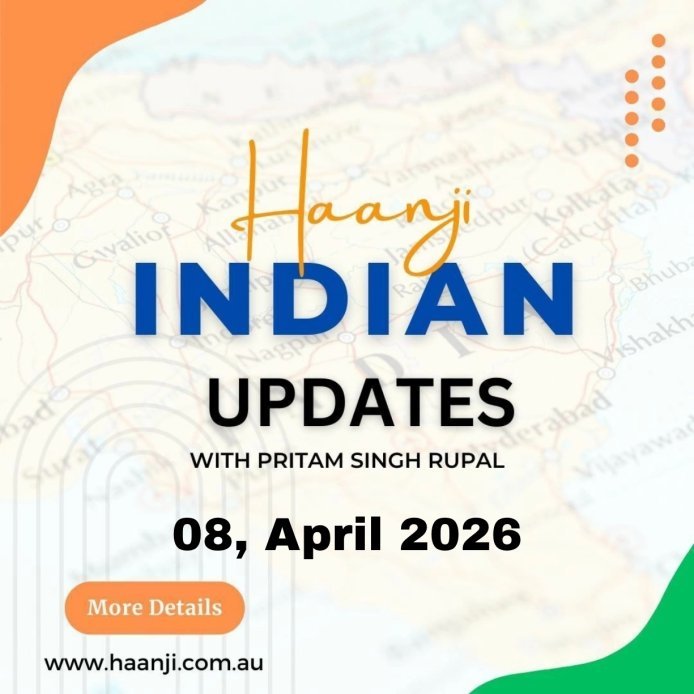


Expert analysis on One Nation One Election and Punjab farmer issues with Ranjodh Singh. Stay informed with Radio Haanji
Indian Updates 8 Apr 2026 - One Nation One Election Analysis
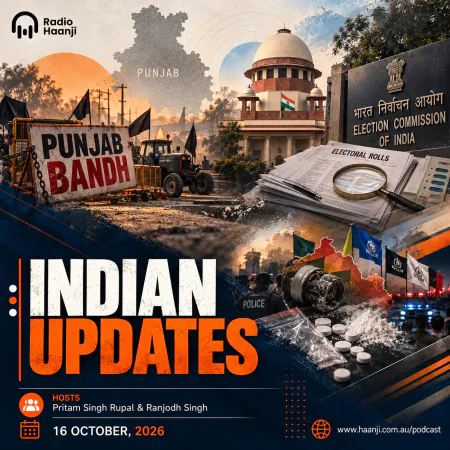
In this edition of Indian Updates on Radio Haanji 1674 AM, host Ranjodh Singh is joined by senior analyst Pritam Singh Rupal to dissect a week of high-stakes political maneuvering and agricultural anxiety. From the Prime Minister's latest push for electoral reform to the rain-flattened fields of Malwa, we explore the stories that actually impact the Punjabi and Indian diaspora.
Today’s discussion moves past the headlines to ask what these shifts mean for the common citizen. Whether it is the constitutional hurdles of "One Nation, One Election" or the silent threat of a global urea shortage, we bring you the expert perspective you won't find on mainstream news channels.
One Nation, One Election: PM Modi’s 2026 Vision
On the BJP’s 47th foundation day this week, Prime Minister Narendra Modi once again placed "One Nation, One Election" at the top of the national agenda. While the proposal to hold Lok Sabha and State Assembly polls simultaneously sounds efficient, Pritam Singh Rupal points out the massive constitutional friction it creates. To align these cycles, the government might need to dissolve state assemblies prematurely, potentially clashing with the five-year mandate voters give their local representatives.
The analyst suggests this is part of a broader consolidation strategy. By pushing for a Uniform Civil Code (UCC) and centralized election cycles, the BJP is leaning into its "Hindu card" while testing the limits of Indian federalism. For the diaspora, this signals a shift toward a more centralized power structure in New Delhi, where regional voices may find it harder to be heard.
Crisis in Malwa: Damage to 1.25 Lakh Acres of Wheat
While the political theatre unfolds in Delhi, the ground reality in Punjab is one of devastation. Unseasonal hailstorms and high-velocity winds have damaged roughly 1.25 lakh acres of crops, particularly in the Malwa and Majha regions.Farmers are now demanding ₹50,000 per acre in compensation to cover their losses.
The Punjab government has ordered a Special Girdawari (crop assessment) to evaluate the damage. However,skepticism remains. Bureaucratic delays often mean that by the time funds are released, the next sowing season is already upon the farmers. There is also the growing threat of fungal infections like "black point" in the waterlogged wheat, which could further reduce the market value of the remaining harvest.
The Global Urea Shock: West Asia Tensions Hit Punjab
A critical but ignored "ground reality" discussed in this episode is the link between international conflict and the Punjabi kitchen. Tensions between the US, Israel, and Iran have effectively choked the Strait of Hormuz. For India, this isn't just a shipping problem—it’s a fertilizer crisis.
India remains heavily dependent on urea imports through this corridor to sustain the depleted soils of Punjab and Haryana. With shipping transits down significantly, the cost of fertilizers is skyrocketing. At the same time, local units like the National Fertilizers Limited (NFL) in Bathinda are facing production hurdles. This "perfect storm" of global geopolitics and domestic supply failure poses a direct threat to India’s national food security in 2026.
New Sacrilege Laws: Special Assembly Session on April 13
Religious and legal lines are blurring as the Punjab government prepares for a special Assembly session on April 13 (Baisakhi). The goal is to introduce stricter punishments for the sacrilege of the Guru Granth Sahib. Interestingly, the BJP has demanded that Hindu temples also be included under the ambit of this proposed law.
Legal experts warn that if the law prescribes punishments of 10 years or more, it may require Presidential approval, as it enters the domain of central criminal law. The SGPC has already urged the government to consult the community before finalizing the draft to ensure it doesn't become a political tool rather than a shield for faith.
The Battle for West Bengal and BJP’s Internal Structure
Finally, we look at the internal health of the ruling party. Pritam Rupal observes that the BJP has become increasingly centered on a single leader, with second-line figures like Amit Shah or Rajnath Singh rarely making independent policy statements. This concentration of power is being tested in the ongoing assembly elections in West Bengal, Assam,Kerala, and Tamil Nadu.
West Bengal remains the primary battleground. While mainstream media focuses on the "double-engine" rhetoric, the economic reality of rising fuel prices is being kept in check only until the last vote is cast. Once the elections conclude,a sharp rise in energy costs is expected, further straining the budgets of households across India.
Frequently Asked Questions
What is the current status of One Nation One Election in India?
One Nation One Election is a proposal to hold Lok Sabha and State Assembly elections simultaneously. In April 2026,PM Modi reaffirmed this as a priority. It aims to reduce election costs and "permanent election mode" but requires major constitutional amendments to align varying state assembly terms with the national cycle.
How much compensation are Punjab farmers demanding for crop damage?
Following severe hailstorms in April 2026 that damaged 1.25 lakh acres of wheat, farmers in Punjab are demanding compensation of ₹50,000 per acre. While the state government has ordered a Special Girdawari to assess losses,farmers remain concerned about bureaucratic delays and the impact of moisture on grain quality.
Why are fertilizer prices rising in India in 2026?
Fertilizer prices are rising primarily due to the conflict in West Asia affecting the Strait of Hormuz, a key shipping route for urea imports. This geopolitical tension has reduced shipping transits, leading to supply shortages. Additionally,domestic production at plants like NFL Bathinda has been hampered by liquefied natural gas supply issues.
When is the special Punjab Assembly session on sacrilege laws?
The Punjab government has convened a special Vidhan Sabha session for April 13, 2026, coinciding with Baisakhi. The session aims to amend the Jagat Jot Guru Granth Sahib Satkar Act to introduce stricter punishments for sacrilege. There are ongoing debates regarding whether the law should also cover other religious scriptures.
Why are fuel prices in India expected to rise after April 2026?
Analysts observe that fuel prices in India often remain stable during major state elections, such as those in West Bengal and Kerala. Once the voting phases conclude in late April 2026, prices are expected to adjust to reflect global crude oil volatility and the economic impact of ongoing international conflicts.
Conclusion
The stories shaping India today are more than just political slogans; they are shifts in the very fabric of our economy and community laws. From the wheat fields of Malwa to the shipping lanes of Hormuz, staying informed requires looking beyond the noise of mainstream news.
Join Ranjodh Singh and Pritam Singh Rupal every week for a deep dive into the issues that matter most to the global Punjabi community.
Listen to Indian Updates on Radio Haanji 1674 AM
Listen free to this episode of Indian Updates with Ranjodh Singh and Pritam Singh Rupal:
What's Your Reaction?







Related Posts