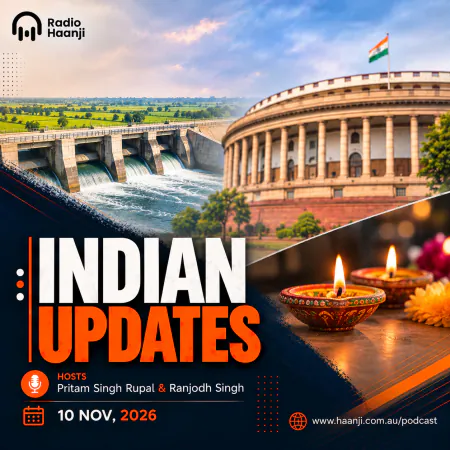










































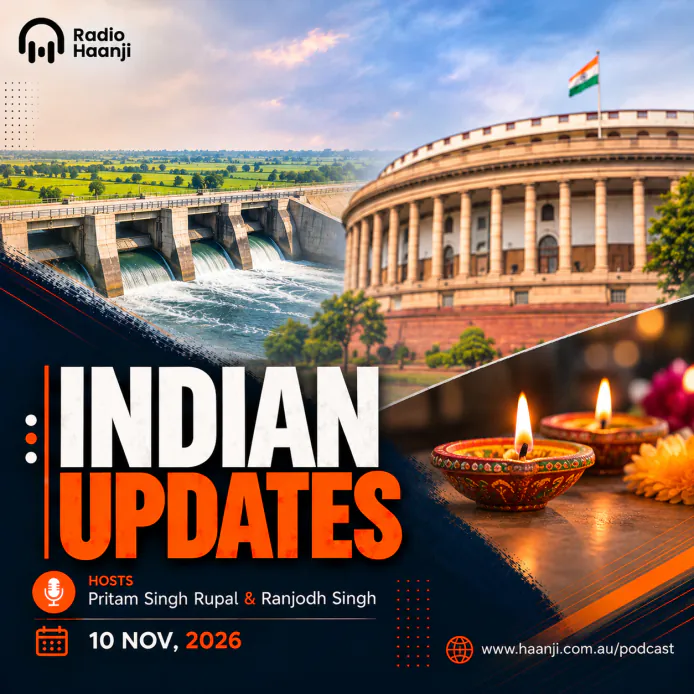
12 Nov -Indian Updates - Punjab Demands ₹1.44 Lakh Crore Water Royalty from Rajasthan - Pritam Singh Rupal & Ranjodh Singh
Host:-
 Pritam Singh Rupal
 Ranjodh Singh
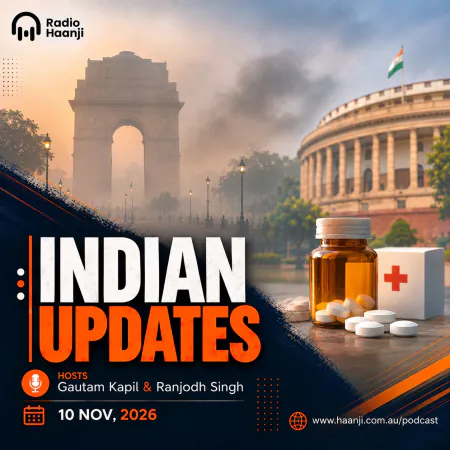
Tune into the November 12 episode of Indian Updates on Radio Haanji 1674 AM as Pritam Singh Rupal and Ranjodh Singh examine Punjab's ₹1.44 lakh crore water royalty demand from Rajasthan, the 1920 Gang Canal treaty, and the political fallout over Sonia Gandhi's memoir.
History has a way of resurfacing right when the political temperature begins to rise. In the November 12 edition of Indian Updates on Radio Haanji 1674 AM, host Ranjodh Singh is joined by senior political analyst Pritam Singh Rupal to unpack the historical, legal, and political developments dominating headlines across Punjab and India. From a century-old river water treaty that could reshape Punjab's state finances to the fresh electoral debate over Sonia Gandhi's autobiography, today's discussion looks beyond the surface of the daily news cycle.
Major Regional and National Headlines
Before diving into the primary constitutional and political debates of the day, Pritam Singh Rupal shared a roundup of key developments from Punjab and Jammu and Kashmir:
- Conviction in 34-Year-Old Abduction Case: A special CBI court in SAS Nagar (Mohali) has convicted retired police officer Gurmeet Singh Randhawa in an abduction case dating back 34 years, with the court set to pronounce the quantum of sentence today.
- Controversy at Dera Ballan Ahead of BJP Yatra: A dispute has broken out at Dera Ballan ahead of the Bharatiya Janata Party's planned yatra from Jalandhar to Banaras in connection with the upcoming Jayanti of Bhagat Ravidas Ji.
- Punjab Congress Launches 'Punjab Mangda Insaf': Stepping up its ground-level mobilization, the Congress party in Punjab formally launched its "Punjab Mangda Insaf" campaign from Chandigarh.
- Security Checkpoint Attacked in Kulgam: Militant activity has flared up again in Kashmir, where three CRPF personnel sustained injuries during a firing incident at a security checkpoint in Kulgam.
If you want to stay updated on global and Australian headlines alongside subcontinental news, you can also check out our daily briefings on Today Updates.
Punjab’s ₹1.44 Lakh Crore Water Royalty Claim Against Rajasthan
The central focus of today's broadcast is the Punjab government's renewed legal push to claim over ₹1.44 lakh crore in pending water royalties from Rajasthan. Following three official letters sent to the Rajasthan government, Punjab Water Resources Minister Barinder Goyal has formally requested the Central Government to intervene and help Punjab recover its dues.
The 1920 Shimla Tripartite Agreement and the Gang Canal
To understand why Punjab has a legal claim to royalty payments from Rajasthan, Pritam Singh Rupal traced the dispute back to British India. Following the annexation of Punjab in 1849, districts like Ferozepur and Ludhiana came directly under British administration, while neighboring regions operated as princely states. The arid princely state of Bikaner in Rajputana had no river of its own and desperately needed irrigation water for the territory bordering southern Punjab.
Because the Sutlej River also flowed into the princely state of Bahawalpur (now part of Pakistan's Punjab province), Bahawalpur was also considered a riparian stakeholder. Consequently, a historic tripartite treaty was signed in Shimla in 1920 between three parties:
- The British Government (representing Punjab)
- Maharaja Ganga Singh of Bikaner
- The Nawab of Bahawalpur
Under this 1920 agreement, the Gang Canal was carved out of the Sutlej River from the Hussainiwala headworks near Ferozepur—located right near the memorial of Shaheed Bhagat Singh, Rajguru, and Sukhdev. Maharaja Ganga Singh funded the canal's construction, which transformed the desert belt and led to the founding of Sri Ganganagar. Crucially, the treaty stipulated that Bikaner would pay an annual water royalty to Punjab calculated at roughly ₹6.50 per acre of irrigated land.
Why Rajasthan Stopped Paying the Royalty in 1966
Even after the Partition of 1947—when Bahawalpur went to Pakistan and the Hussainiwala headworks remained in Indian Punjab—Rajasthan continued to honor the agreement. Throughout the creation of PEPSU in 1948 and its eventual merger into Punjab in 1956, Rajasthan regularly allocated funds in its state budget to pay the annual water royalty to Punjab.
The turning point came in 1966 with the Punjabi Suba movement and the enactment of the Punjab Reorganization Act, which divided Punjab and created the state of Haryana. Taking advantage of the political upheaval and administrative transition in Punjab, Rajasthan quietly stopped making the budget allocation and discontinued the royalty payments in 1966. Surprisingly, the Punjab Reorganization Act of 1966 made no mention of this royalty, nor was the British-era royalty model applied when river water was allocated to Haryana. For decades afterward, successive Congress and Akali Dal-BJP coalition governments in Punjab never raised the issue.
Why the Issue Has Resurfaced Now
The current Punjab government uncovered these historical agreements while auditing old irrigation records as part of its drive to restore defunct canals, distributaries, and field channels across the state. Calculating the unpaid principal since 1966 along with applicable interest under the original terms, Punjab has arrived at a massive figure exceeding ₹1.44 lakh crore.
From a political standpoint, raising this issue ahead of upcoming elections puts the ruling party in Punjab in a strong position. Since the BJP currently holds power at the Centre as well as in Rajasthan and Haryana, the Punjab government has nothing to lose by pressing the claim, while opposition parties in Punjab cannot afford to oppose a demand that could bolster the state exchequer.
Sonia Gandhi’s Memoir and Political Mobilization in Punjab
The second half of the episode examines the political storm being stirred up in Punjab by the BJP over former Congress President Sonia Gandhi's 550-page autobiography.
H.S. Phoolka’s Chandigarh Press Conference
Bringing the Delhi political debate to Punjab, senior advocate H.S. Phoolka held a press conference in Chandigarh alongside BJP media representative Mr. Joshi. Repeating the allegations he previously raised in Delhi, Phoolka argued that historical records of the 1984 anti-Sikh violence contradict what Sonia Gandhi has written in her book. Punjab BJP leader Kewal Dhillon also weighed in, alleging that the memoir is an attempt to cover up past sins.
Context vs. Electoral Strategy
Analyzing the controversy, Pritam Singh Rupal pointed out that Sonia Gandhi did not write a book specifically about 1984 or with upcoming Punjab elections in mind. Her 550-page memoir covers her entire life journey—from meeting and marrying Rajiv Gandhi and adopting India as her home, to the assassinations of Indira Gandhi and Rajiv Gandhi, and the internal struggles of the Congress party during the presidency of Sitaram Kesri before she took over the party leadership.
However, the BJP has isolated the passages relating to Delhi in 1984 to target the Congress in Punjab. At the same time, the 1984 Danga Peerit Welfare Society in Ludhiana also held a meeting on the issue. Rupal noted a recurring pattern in Punjab politics: while the events of 1984 remain an undeniable tragedy, several victim welfare associations in Ludhiana, Mohali, and Delhi tend to become vocal primarily when elections approach to target the Congress or support rival parties, without ever presenting a transparent account of the multiple rounds of compensation and rehabilitation packages received over the past four decades.
For listeners who enjoy thoughtful discussions beyond daily politics, explore our other shows on Radio Haanji, where you can listen audio stories, unwind with all laughter therapy episodes, or tune into the deep talk show, our special show on science, space, species, and exploration. You can also catch engaging community conversations on Boys Meetup and literary reflections on Notebook.
Radio Haanji Diwali Celebrations in Melbourne
Before signing off, host Ranjodh Singh invited the Melbourne community to join Radio Haanji 1674 AM for its grand Diwali celebrations:
- Event: Radio Haanji Diwali Festival
- Date: November 14, 2026
- Time: 10:00 AM to 4:00 PM
- Location: Queen Victoria Market, Melbourne
ਪੰਜਾਬੀ ਸਾਰ (Punjabi Summary)
ਰੇਡੀਓ ਹਾਂਜੀ 1674 AM ਦੇ ਪ੍ਰੋਗਰਾਮ 'ਇੰਡੀਅਨ ਅਪਡੇਟਸ' (12 ਨਵੰਬਰ) ਵਿੱਚ ਹੋਸਟ ਰਣਜੋਧ ਸਿੰਘ ਅਤੇ ਸੀਨੀਅਰ ਵਿਸ਼ਲੇਸ਼ਕ ਪ੍ਰੀਤਮ ਸਿੰਘ ਰੁਪਾਲ ਵੱਲੋਂ ਭਾਰਤ ਅਤੇ ਪੰਜਾਬ ਦੀਆਂ ਅਹਿਮ ਖ਼ਬਰਾਂ 'ਤੇ ਵਿਸ਼ੇਸ਼ ਚਰਚਾ ਕੀਤੀ ਗਈ ਹੈ। ਪ੍ਰੋਗਰਾਮ ਦੀ ਸ਼ੁਰੂਆਤ ਵਿੱਚ ਮੋਹਾਲੀ ਦੀ ਸੀ.ਬੀ.ਆਈ. ਅਦਾਲਤ ਵੱਲੋਂ 34 ਸਾਲ ਪੁਰਾਣੇ ਅਗਵਾ ਮਾਮਲੇ ਵਿੱਚ ਸੇਵਾਮੁਕਤ ਪੁਲਿਸ ਅਧਿਕਾਰੀ ਗੁਰਮੀਤ ਸਿੰਘ ਰੰਧਾਵਾ ਨੂੰ ਦੋਸ਼ੀ ਕਰਾਰ ਦੇਣ, ਭਗਤ ਰਵਿਦਾਸ ਜੀ ਦੀ ਜਯੰਤੀ ਸਬੰਧੀ ਬੀ.ਜੇ.ਪੀ. ਦੀ ਯਾਤਰਾ ਤੋਂ ਪਹਿਲਾਂ ਡੇਰਾ ਬੱਲਾਂ ਵਿੱਚ ਛਿੜੇ ਵਿਵਾਦ, ਕਾਂਗਰਸ ਦੀ 'ਪੰਜਾਬ ਮੰਗਦਾ ਇਨਸਾਫ਼' ਮੁਹਿੰਮ ਅਤੇ ਕਸ਼ਮੀਰ ਦੇ ਕੁਲਗਾਮ ਵਿੱਚ ਸੀ.ਆਰ.ਪੀ.ਐਫ. ਦੇ ਤਿੰਨ ਜਵਾਨਾਂ ਦੇ ਜ਼ਖ਼ਮੀ ਹੋਣ ਦੀਆਂ ਖ਼ਬਰਾਂ ਸਾਂਝੀਆਂ ਕੀਤੀਆਂ ਗਈਆਂ।
ਮੁੱਖ ਚਰਚਾ ਵਿੱਚ ਪੰਜਾਬ ਸਰਕਾਰ ਵੱਲੋਂ ਰਾਜਸਥਾਨ ਤੋਂ ਸਤਲੁਜ ਦੇ ਪਾਣੀ ਦੀ ਰਾਇਲਟੀ ਵਜੋਂ 1 ਲੱਖ 44 ਹਜ਼ਾਰ ਕਰੋੜ ਰੁਪਏ ਤੋਂ ਵੱਧ ਦੀ ਬਕਾਇਆ ਰਕਮ ਮੰਗਣ ਦੇ ਇਤਿਹਾਸਕ ਪਿਛੋਕੜ ਨੂੰ ਖੋਲ੍ਹਿਆ ਗਿਆ। 1920 ਵਿੱਚ ਸ਼ਿਮਲਾ ਵਿਖੇ ਬਰਤਾਨਵੀ ਹਕੂਮਤ, ਬੀਕਾਨੇਰ ਦੇ ਮਹਾਰਾਜਾ ਗੰਗਾ ਸਿੰਘ ਅਤੇ ਬਹਾਵਲਪੁਰ ਦੇ ਨਵਾਬ ਵਿਚਾਲੇ ਹੋਏ ਸਮਝੌਤੇ ਤਹਿਤ ਹੁਸੈਨੀਵਾਲਾ ਤੋਂ ਗੰਗ ਨਹਿਰ ਕੱਢੀ ਗਈ ਸੀ, ਜਿਸ ਦੀ ਰਾਇਲਟੀ 1966 ਤੱਕ ਪੰਜਾਬ ਨੂੰ ਮਿਲਦੀ ਰਹੀ ਪਰ ਪੰਜਾਬ ਪੁਨਰਗਠਨ ਵੇਲੇ ਬੰਦ ਹੋ ਗਈ। ਦੂਜੇ ਹਿੱਸੇ ਵਿੱਚ ਸੋਨੀਆ ਗਾਂਧੀ ਦੀ ਸਵੈ-ਜੀਵਨੀ ਨੂੰ ਲੈ ਕੇ ਐਚ.ਐਸ. ਫੂਲਕਾ ਵੱਲੋਂ ਚੰਡੀਗੜ੍ਹ ਵਿੱਚ ਕੀਤੀ ਪ੍ਰੈੱਸ ਕਾਨਫਰੰਸ ਅਤੇ ਬੀ.ਜੇ.ਪੀ. ਵੱਲੋਂ ਪੰਜਾਬ ਵਿੱਚ ਤੇਜ਼ ਕੀਤੀਆਂ ਸਿਆਸੀ ਸਰਗਰਮੀਆਂ ਦਾ ਵਿਸ਼ਲੇਸ਼ਣ ਕੀਤਾ ਗਿਆ। ਅੰਤ ਵਿੱਚ 14 ਨਵੰਬਰ ਨੂੰ ਮੈਲਬੌਰਨ ਦੀ ਕਵੀਨ ਵਿਕਟੋਰੀਆ ਮਾਰਕੀਟ ਵਿਖੇ ਸਵੇਰੇ 10 ਤੋਂ ਸ਼ਾਮ 4 ਵਜੇ ਤੱਕ ਮਨਾਏ ਜਾ ਰਹੇ ਦੀਵਾਲੀ ਮੇਲੇ ਵਿੱਚ ਪਹੁੰਚਣ ਦਾ ਖੁੱਲ੍ਹਾ ਸੱਦਾ ਦਿੱਤਾ ਗਿਆ।
Frequently Asked Questions (FAQs)
Why is the Punjab government demanding ₹1.44 lakh crore from Rajasthan?
The Punjab government is demanding over ₹1.44 lakh crore (including interest) as unpaid water royalty for Sutlej river water supplied to Rajasthan through the Gang Canal. Under a 1920 treaty signed in Shimla, Bikaner state agreed to pay an annual royalty of ₹6.50 per acre to Punjab, a payment that Rajasthan unilaterally stopped in 1966.
What was the 1920 Shimla agreement for the Gang Canal?
The 1920 Shimla agreement was a tripartite treaty signed between the British government, Maharaja Ganga Singh of Bikaner, and the Nawab of Bahawalpur. It authorized the construction of the Gang Canal from the Hussainiwala headworks near Ferozepur to irrigate the arid Bikaner region in exchange for annual water royalty payments to Punjab.
Why did Rajasthan stop paying water royalties to Punjab in 1966?
Rajasthan included the water royalty in its state budget and paid it regularly until 1966. However, during the Punjabi Suba agitation and the passage of the Punjab Reorganization Act of 1966—which split Punjab and created Haryana—Rajasthan quietly discontinued the payments, and subsequent Punjab governments failed to pursue the matter.
Why is Sonia Gandhi's autobiography in the news in Punjab?
The BJP in Punjab has launched a political campaign around specific chapters of Sonia Gandhi's 550-page memoir that reference the events of 1984. Advocate H.S. Phoolka held a press conference in Chandigarh and BJP leader Kewal Dhillon issued statements accusing the former Congress president of covering up historical facts regarding the 1984 anti-Sikh violence.
When and where is the Radio Haanji Diwali celebration taking place?
Radio Haanji 1674 AM is hosting its Diwali celebration on November 14, 2026, from 10:00 AM to 4:00 PM at the Queen Victoria Market in Melbourne, Australia.
Frequently Asked Questions
Why is the Punjab government demanding ₹1.44 lakh crore from Rajasthan?
What was the 1920 Shimla agreement regarding the Gang Canal?
Why did Rajasthan stop paying water royalties to Punjab in 1966?
Why is Sonia Gandhi's autobiography making news in Punjab?
When and where is the Radio Haanji Diwali celebration taking place?
What's Your Reaction?